

Have you ever felt that the stars might hold a secret just for you? It’s like the night sky is whispering hints about your journey. A Vedic natal chart is simply a snapshot of the sky at the moment you were born. It offers a glimpse into the cosmic blueprint of your life.
This chart uses easy-to-understand parts of the sky, such as whole-sign houses (think of them as chapters in your life) and the positions of the planets. It gently reveals clues about your work, love, and how you grow as a person.
With your exact birth details, your chart turns into a mirror reflecting the unique hints left by the cosmos. It lights up your path with the soft glow of starlight, guiding you toward the wonderful possibilities of your destiny.
Fundamental Elements of a Vedic Natal Chart
A Vedic birth chart, sometimes called a janam kundli, is like a snapshot of the sky the moment you were born. It uses the sidereal zodiac (a system that follows fixed stars) along with whole-sign houses (each zodiac sign taking up an entire house) to show how the planets and stars have been nudging your life from the very start.
This chart is your celestial guide, offering friendly hints on things like your job, relationships, health, and spiritual side. By marking where the sun, moon, and rising sign (or Lagna, which is your Ascendant) were when you arrived, it lays out a map for all the cosmic readings ahead. Even a tiny five-minute difference in your birth time can tip the balance, so having accurate birth details really matters.
- Ascendant/Lagna: The sign that appears on the eastern horizon when you wake up. It shapes your personality and life journey.
- 12 Houses: These are sections in your chart, each highlighting a different area of your life.
- Nine Grahas: Think of these as planetary deities (like the sun, the moon, or Mars) that bring their unique energy to each house.
- 27 Nakshatras: Imagine these as lunar neighborhoods. They fine-tune how a planet's influence shows up in your life.
- Whole-Sign House Division: This method assigns each zodiac sign its own full house, making it easier to read the map of your cosmic imprint.
All these elements come together to form a clear picture of your unique cosmic blueprint. The Ascendant sets the tone for how others see you, while the other houses reveal your inner world. The nine grahas add layers of meaning by showing where each planet's energy settles, and the nakshatras adjust that energy like tuning a radio to your favorite station. This blend of factors gently guides you as you explore your destiny, inviting you to listen to the subtle whisper of the stars.
Generating Your Vedic Astrology Natal Chart Online
First, jot down your birth details. Write down your exact birth date, time, and place. Even a tiny mix-up, a five-minute difference, can paint a different picture of your cosmic map.
Next, pick a trusted chart calculator. Find a free online tool that uses the sidereal zodiac (the zodiac that follows real constellations) and whole-sign houses. For example, you might try the "free natal chart with houses" tool at https://soulbehavior.com?p=367. It’s made for beginners, so you'll feel guided like a friend under a clear night sky.
Then, check your Ascendant, or Lagna. This is the sign rising in the east when you were born, and it gives clues about your personality and life journey. Ever feel like the rising moon speaks to you? That’s the magic of your Lagna.
Now, look over where the nine grahas (planetary deities that hold cosmic energy) are placed. Their positions in different houses offer hints about your strengths and even the challenges you might face. Think of it as the stars whispering little secrets about your inner self.
Lastly, before you set your chart in stone, take a moment to double-check all your information. Accurate details ensure that your Vedic birth chart is a true reflection of the stars as they shined on your first breath.
Deciphering Planetary Placements in a Vedic Natal Chart
Imagine your Vedic natal chart as a beautiful map lit by nine stars. Each star, Sun, Moon, Mars, Mercury, Jupiter, Venus, Saturn, Rahu, and Ketu, radiates its own light. They all find homes in different houses that highlight parts of your life like work, home, and growth. For instance, the Sun shows who you really are, while the Moon unveils how you feel.
Every planet is like a piece of a puzzle, slowly revealing the picture of your unique cosmic story. Mars brings that bold energy to take action, Mercury helps you speak and think clearly, Jupiter lights the path with wisdom, and Venus sprinkles charm on your relationships. Saturn gently teaches you discipline, and the karmic nodes, Rahu and Ketu, nudge you to learn from the past. Together, they softly influence your life like a quiet cosmic conversation.
Major Planetary Roles
The Sun shines a light on your inner self, while the Moon reflects your everyday emotions. Mars fires up your energy for action, and Mercury helps smooth out your thoughts. Jupiter points you toward growth and new horizons, and Venus makes your relationships sparkle. Saturn reminds you to build structure and work hard, and Rahu and Ketu invite you to think about lessons from long ago. Each planet brings a special message, inviting you to explore all parts of who you are.
Aspects and Yogas
Planets often form angles with each other, much like friends meeting under the stars. These angles create patterns called yogas that can bring balance and harmony, like the joyful Raj Yoga. Sometimes, you might feel the challenge of energies like Kaal Sarpa Dosha or Mangal Dosha. Even a retrograde Venus can shift your ideas of beauty and connection. For a deeper look at how these cosmic patterns work, our natal chart guide can help you read these signals.
All these planetary placements weave together your unique cosmic portrait, guiding you on a journey full of gentle insights and heartfelt wonder.
The 12 Houses and Nakshatras: Contextualizing Your Vedic Chart
Imagine looking up at the sky and seeing a roadmap of your life. The Vedic chart splits the night into 12 unique homes, known as bhavas, that each shine a light on different parts of your life, your sense of self, your family ties, your finances, and even your spiritual journey.
With whole-sign house division, each zodiac sign fills an entire house, making the chart feel clear and friendly. It becomes a simple guide to areas like communication, creativity, and the way you present yourself to the world.
| House Number | Domain | Key Themes |
|---|---|---|
| 1 | Self | Personality, identity, physical appearance |
| 2 | Wealth | Finances, values, material possessions |
| 3 | Communication | Siblings, local travel, ideas |
| 4 | Home | Family, roots, emotional foundation |
| 5 | Creativity | Romance, children, creative self-expression |
| 6 | Health | Service, daily routines, well-being |
| 7 | Partnerships | Marriage, collaborations, close relationships |
| 8 | Transformation | Shared resources, changes, regeneration |
| 9 | Higher Learning | Philosophy, travel, wisdom |
| 10 | Career | Public image, achievements, social status |
| 11 | Community | Friendships, social networks, aspirations |
| 12 | Spirituality | Subconscious, intuition, inner sanctum |
Then there’s another cosmic layer: the 27 nakshatras. Think of these lunar mansions as tiny starry neighborhoods that add a delicate twist to your chart. They help fine-tune the energy of each house, revealing little details about your personality and life events. This blend transforms a simple map into a beautiful mosaic of your unique destiny.
Predictive Techniques: Dashas and Transits in Vedic Natal Charts
The Vimshottari Dasha system is like a cosmic calendar that marks out important phases in your life. Each dash, one of these planetary periods, feels like a special chapter where a particular planet shines its unique light on your experiences.
Take a Saturn dash, for example. This period might test you in your career or work life, sometimes causing delays or challenges that push you to grow stronger. While these times can be tough, many come out the other side with more stability and wisdom.
Dashas also act as gentle guides, hinting at those key turning points when something important might be about to happen. They give you a subtle nudge about when to prepare for a new chapter in your journey.
Planetary transits, or gochar, show the current movement of planets through your zodiac and natal chart. As the planets move, they touch different areas of your life and spark shifts, whether in relationships, finances, or your inner emotions. Some transits offer a soft, gradual change, while others can bring a sudden, noticeable shift, almost like a whispered hint from the universe.
When you look at both dashas and transits together, you get a richer, more detailed cosmic roadmap. Their combined insights help you see the signs of upcoming events with a clearer sense of timing and purpose.
Identifying Doshas and Remedial Measures in Your Vedic Chart
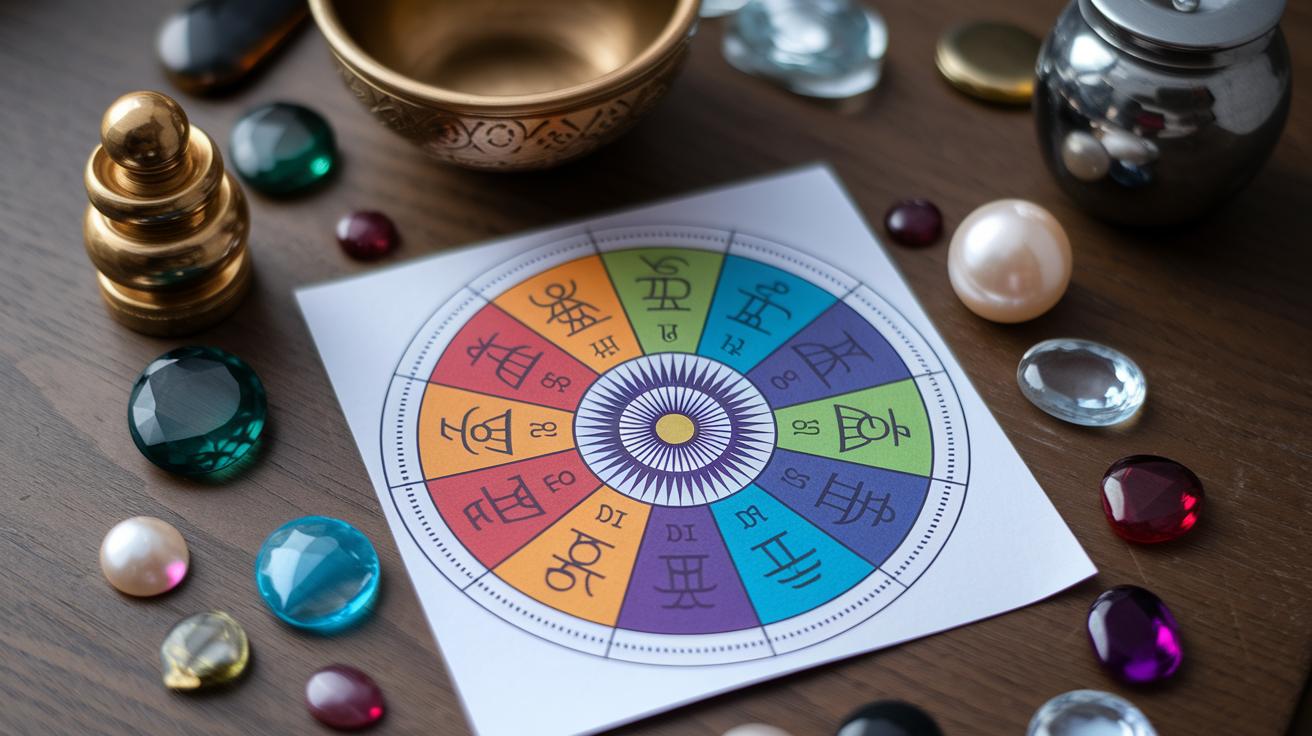
Finding doshas in your Vedic chart can be like spotting secret hints in your personal star map. Mangal Dosha pops up when Mars stirs up some challenges in your relationships, while Kaal Sarp Dosha appears when every planet lines up between Rahu and Ketu (think of these as cosmic forces in your chart). You can use easy chart checks and old-school number tricks to spot these imbalances. It’s like deciphering a hidden message written in the stars that tells you where a little shift might be needed.
Classic gemstone tips help balance these energies in a gentle way. For example, wearing a ruby for the Sun might light up your inner world, while a pearl for the Moon can bring a calm, clear feeling. These stones act as personal charms, quietly working to ease the tough effects doshas may cause.
To calm any negative vibes, try using special rituals and mantra chants. Chanting mantras like the Gayatri Mantra or Mangal Mantra can help create a smooth, steady flow of energy. And doing simple puja rituals with genuine care can help realign your spirit with the natural order of the universe, softening those harsher dosha effects.
Applying Your Vedic Natal Chart for Life and Relationships
Your Vedic natal chart is like a secret map written in the stars. It holds clues about your love life and personal journey. Think of it as a story where the 7th house, which hints at marriage, and the 5th house, a guide for children, play leading roles. When you see similar star patterns in both charts, it suggests a natural bond and mutual growth.
The Kuta matching system lets you compare these cosmic blueprints with a friend-like ease. It checks how energies in special houses match up, helping you sense an emotional connection and solid compatibility. For instance, if both people show reassuring planetary signs in these areas, it might be the universe’s way of saying you’re in sync.
Synastry is another friendly way to compare charts. It looks at how your planets dance with each other, revealing soft hints about each partner’s hopes and practical needs. Ever catch a glimpse of a cosmic dance that feels just right? When planets in the 7th and 5th houses align, it paints a beautiful picture of love, intimacy, and family moments.
Your birth chart isn’t just about relationships. It can also guide you in choosing a career or understanding life’s unfolding chapters. The 10th house shines a light on your public image and work life, while other parts of your chart mark those big turning points. It shows when the stars might be lending you a bit of extra support.
In truth, weaving these stellar hints into your everyday decisions can boost your confidence. Whether it’s about following your heart or making a big career move, your chart is there, offering gentle starlight to guide your way.
Final Words
In the action of exploring the celestial map, we uncovered how a Vedic natal chart frames your life. We discussed the basics, from houses and grahas to nakshatras and planetary touches, that set the stage for deeper self-awareness.
We also walked through generating your chart, assessing planetary movements, and even spotting doshas for balance. Each section ties together, leaving you with a treasure trove of insight as seen through natal chart vedic astrology. May your cosmic exploration light the way forward.
FAQ
What is a free Vedic birth chart with interpretation?
The free Vedic birth chart with interpretation provides a clear map of your celestial imprint by showing planetary placements and house meanings, helping you understand your life’s cosmic influences.
What is a Vedic astrology chart with interpretation?
A Vedic astrology chart with interpretation outlines the positions of planets at your birth, highlighting key elements like the Lagna and houses to reveal insights into your personal cosmic blueprint.
What does a Vedic astrology calculator do?
A Vedic astrology calculator determines your chart details using the sidereal zodiac. It calculates your Lagna and planetary placements, giving you a concise overview of your astrological influences.
Which is the best Vedic birth chart calculator?
The best Vedic birth chart calculator uses precise birth data and a whole-sign house system to deliver accurate planetary insights and ascendant readings, making your chart easy to understand.
What is offered by a free Vedic astrology chart?
A free Vedic astrology chart delivers a comprehensive view of your natal positions based on the sidereal zodiac. It clearly explains planetary placements and house divisions to illuminate your cosmic profile.
How does a free Vedic astrology calculator work?
A free Vedic astrology calculator processes your birth details to compute your chart without charge. It presents key readings, including your Lagna and planetary positions, in simple, accessible language.
What are Vedic astrology signs?
Vedic astrology signs refer to the zodiac signs used in sidereal astrology. They influence personality traits and life patterns by interacting with planetary positions and house placements in your chart.
What is included in a free birth chart analysis?
A free birth chart analysis examines your Vedic chart, highlighting the role of planetary placements, houses, and the ascendant. This analysis offers clear insights into your personal astrological makeup.