

Ever get the feeling that the stars are sharing a little secret just for you? Vedic astrology, sometimes called Jyotish, a name that hints at its deep roots in ancient wisdom, uses ideas as old as the Rigveda to blend the magic of the night sky with your own life story.
It goes beyond the usual horoscope talk. Instead, it shows how where the planets sit might reflect the things you've done and the unique journey that lies ahead. Stick with it, and you'll see how this age-old practice lights up your everyday life with a warm, guiding glow.
Foundations of Vedic Astrology: Principles and Origins
Vedic astrology is an age-old practice that we also call Jyotish or Hindu astrology. Its roots trace back to the Rigveda, possibly as far back as 10,000 B.C. This ancient art shows that stars and planets have a deep impact on our lives. It is more than a daily horoscope, it looks at the sky as a guide to our karmic past and our life’s path.
At its heart, Jyotish is all about karma, the results of your past actions, and dharma, which is your true life path. When you look at your birth chart, a simple snapshot of the sky exactly as it was when you were born, imagine it as a personal guide written in starlight. Ever wonder how the stars might be whispering your strengths and lessons? It’s like a secret note from the universe just for you.
Unlike the generic advice you often get in daily horoscopes, Vedic astrology dives deep into your unique story. It balances the grand plan of the cosmos with the choices you make every day. Every planet’s position is seen as reflecting both a pre-written design and your free will. Think of it as gazing at the gentle glow of starlight, knowing every twinkle carries a part of your special story.
This ancient Eastern tradition still shines brightly today, guiding anyone who seeks to understand the greater workings of life. It celebrates the cosmic order and honors the energy of personal action, blending timeless wisdom with practical insights for your journey.
Historical Evolution and Global Spread of Vedic Astrology
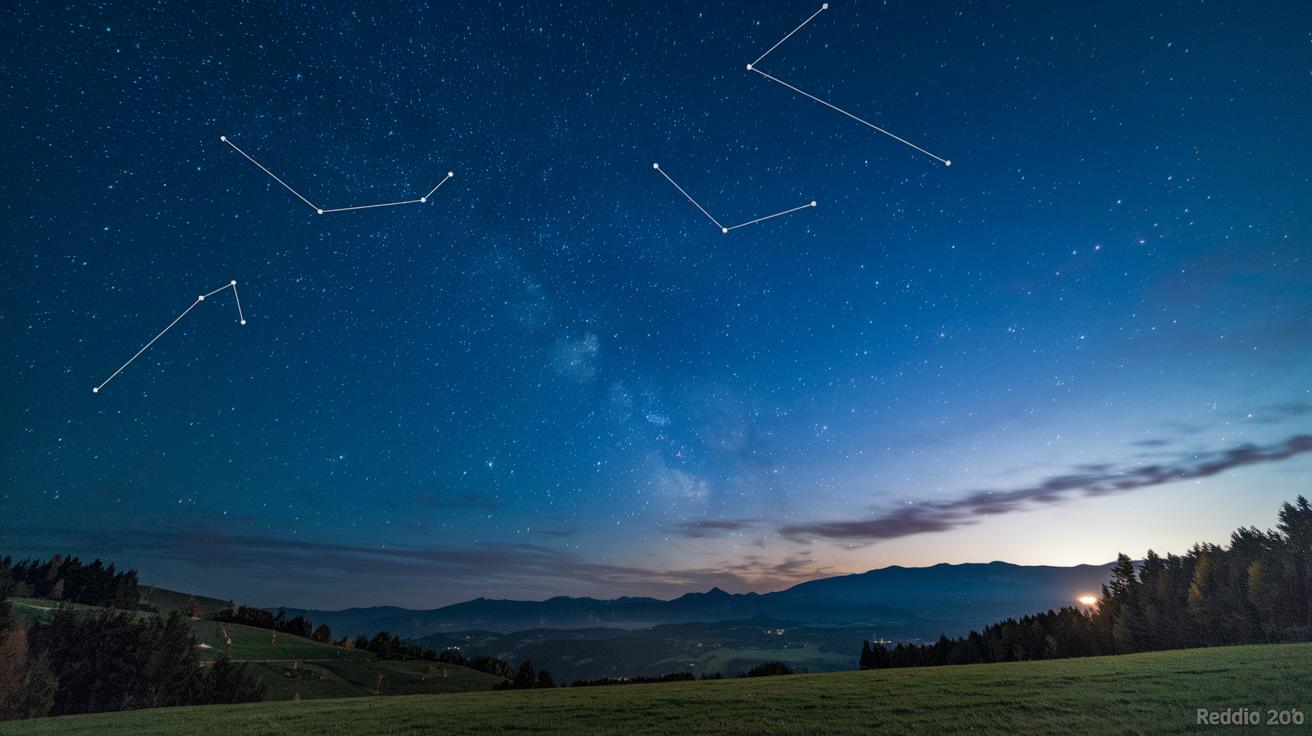
Vedic astrology started long ago in ancient Indian texts. In those early scriptures, wise people first noticed how stars and planets could shape our daily lives. They passed on this cosmic wisdom to help us understand life’s rhythms and choices. It's amazing to realize that the insights of those ancient sages still speak to us today.
Over time, this gentle cosmic language reached far-off lands. Around 1965, many Hindus began moving to new places, carrying their precious Jyotish wisdom (Jyotish means the light of the stars). Imagine a family leaving their hometown, comforted by the thought that their stars would guide their fresh start. By the 1990s, more than 3 million Hindus in the United States and roughly 4 million in North America had embraced this timeless tradition.
This steady growth of Vedic astrology shows just how enduring these ancient ideas are. Today, people from all walks of life study Jyotish not only to honor their heritage but also to find a new way to balance destiny with everyday choices. Every reading and every thoughtful insight helps remind us of the beautiful connection between the cycles of the cosmos and the spirit within us.
Sidereal Zodiac Principles in Vedic Astrology
In Vedic astrology, the sidereal zodiac comes alive with the true positions of stars and constellations. Your sign is taken straight from the sky you see at night, like gazing out a window at the real, starry wonder. It doesn’t rely on changing seasons or made-up divisions.
Western astrology works a bit differently. It uses the tropical calendar, which aligns with the seasons. This means the zodiac resets each year, and while your core traits might match, the details of your celestial map can vary. Ever noticed how two people with the same sign might feel a little different? That’s because the two systems paint a unique picture of your cosmic self.
Looking at both methods, you can see how the sidereal way respects ancient star-watching traditions. For ages, astrologers jotted down the exact spots of the stars, much like early sailors charting unknown waters. This clear view of the real night sky connects you with a timeless order, where each star’s placement whispers secrets about your true character.
Rashi Signs, Planetary Influences, and Retrograde Interpretations in Vedic Astrology

Vedic astrology paints a cosmic picture with 12 Rashi signs. Each sign beams with its own traits and life lessons, all shaped by the planets you can almost feel in the gentle glow of starlight. Although these signs cover dates that differ from Western astrology, they still whisper deep karmic secrets, kind of like finding a secret note written just for you among the stars.
Every Rashi sign has its own celestial vibe. One sign might feel the cool, calm energy of Mercury, while another buzzes with the passionate spark from Mars. And then there’s retrograde motion. When a planet seems to go backward, Vedic astrology sees it as a gentle nudge from the universe, urging you to learn important lessons. For example, Saturn once appeared to reverse course, hinting at life lessons about responsibility that many have learned to embrace later on.
For a quick look at the 12 signs and the planets that influence them, check out the table below:
| Rashi Sign | Notable Planetary Influence |
|---|---|
| Mesha | Mars |
| Vrishabha | Venus |
| Mithuna | Mercury |
| Karka | Moon |
| Simha | Sun |
| Kanyā | Mercury |
| Tulā | Venus |
| Vrishchika | Mars and Pluto |
| Dhanu | Jupiter |
| Makara | Saturn |
| Kumbha | Saturn and Uranus |
| Meena | Jupiter and Neptune |
Each sign wears its own cosmic signature and blends with specific planetary energies. To dive a bit deeper, check out more details at understanding planetary influences in astrology. And always remember that retrograde motions remind us: while the stars guide us, it's our everyday choices that truly shape our journey through life.
Dasha Systems: Planetary Cycles and the Vimshottari Dasha
The Vimshottari Dasha system is a fascinating part of Vedic astrology. It breaks down your life into chapters that add up to 120 years, with each chapter ruled by a different planet. Imagine your life as a cosmic book where every chapter is carefully planned to show the gentle influence of each celestial body.
Every planet gets its special moment to guide you through the twists and turns of life. Take Saturn Dasha, for example. During this period, the slow and steady energy of Saturn gently nudges you to build a solid foundation, encouraging personal growth and maturity. Ever feel like some challenges come as friendly reminders that help you rise to the occasion?
Each planet’s visit lasts a different amount of time according to ancient calculations. Some of these cosmic periods linger longer, giving you plenty of time to explore important life themes like growth, relationships, or career changes. Others pass quickly, offering brief but meaningful sparks of insight.
Exploring the Vimshottari Dasha system can really clear things up, showing you how life’s events unfold in a patterned, almost musical way. Even though the stars set the scene, you’re the one weaving your own story, with every planetary period adding a unique verse to the rhythm of your journey.
Karma, Dharma, and Free Will in Vedic Astrology

Vedic astrology shows us that time rules our lives. Think of it like a gentle, ongoing flow that arranges our karmic patterns before we are even born. These cosmic arrangements hint at the lessons from our past and the themes we might encounter as we travel through life. Yet every decision you make adds a burst of color to this cosmic tapestry.
Imagine the stars setting the stage for a play where you decide the dialogue. Jyotish, which is ancient Vedic astrology, tells us that while the universe gives a rough outline of destiny, it’s our actions that fill in the details. Ever felt a quiet, inner push during tough times? That soft nudge reassures you that your choices truly matter, even amidst the grand, steady rhythm of the universe.
Free will, then, is like the spark of color that enlivens a pre-drawn picture. Your actions, whether big or small, actively shape the story laid out by the stars. Every twist and turn is a reminder that while destiny provides a framework, how you navigate life is all up to you, with each thoughtful choice lighting the path.
Training and Qualifications of Vedic Astrologers
True Vedic astrologers spend many years diving into ancient Sanskrit texts and carefully honing their craft. They pour their hearts into learning and practice, which is very different from the quick, fun horoscopes you see online.
Many start out by exploring classic texts. They learn the basics, like where the planets are and how to read a birth chart, a map of the stars when you were born. Along the way, they join hands-on sessions with warm, experienced mentors who guide them as they uncover the secret dance of karmic patterns.
A number of these dedicated astrologers even earn certificates from well-respected institutes. Their training isn’t just about theory, it includes years of reading charts and applying their insights in real life. Imagine it like attending a special school under the gentle glow of wise guides, where every lesson sparkles like a star in the night sky.
This thoughtful journey builds a strong base of clear facts and gentle intuition. It allows astrologers to share meaningful insights and offer advice that brings clarity to those seeking a deeper connection with life.
Modern Engagement: Digital Platforms and Community Interaction in Vedic Astrology

Online tools have changed how we see Vedic astrology, making it feel as close as the stars above. These days, you can jump on a website to calculate your birth chart in real-time. It’s like having a chat with the universe, it uses old, wise ideas in a fresh, modern setup. Imagine opening an app that quickly shows you your personal cosmic forecast, kind of like checking the weather for your soul.
Community is a big part of Jyotish platforms. Many sites invite you to drop a comment or share your thoughts about things like Saturn Dasha, where you can learn from others and swap stories. There are also easy ways to reach a guide for a one-on-one session that mixes ancient wisdom with today’s convenience. People enjoy deep talks and seeing how the stars match up with everyday life.
Digital platforms now go beyond simple readings. They spark real conversations among people who love delving into cosmic insights. You can ask questions, learn new things, and feel welcomed whether you’re just starting out or have been following the stars for years. It’s like the universe has created a new community online, where the connection among people shines brightly, just like starlight.
Final Words
In the action, we touched on vedic astrology's ancient roots and its core philosophy that weaves cosmic influences with personal choices. We compared different zodiac systems and explored how Rashi signs and Dasha cycles help us see the hidden messages of the stars. We also looked at how modern tools make these timeless insights more accessible. Embrace the wisdom of the stars and step forward with a fresh outlook, knowing that every moment offers a chance to shine brighter.
FAQ
What is Vedic astrology?
The Vedic astrology system, also known as Jyotish, uses the positions of stars and planets at birth to reveal karmic patterns and life themes. It blends ancient wisdom with personal choices to guide everyday insights.
How do Vedic astrology calculators and charts work with interpretation?
Vedic astrology calculators use your birth details to create a chart that maps 12 Rashi signs and planetary cycles. These charts help illustrate karmic influences and life themes in a clear, practical way.
What kind of predictions does Vedic astrology provide?
Vedic astrology predictions use detailed calculations from planetary cycles and dashas to forecast karmic trends and influential periods. They offer insight into future influences that may shape your life decisions.
Are there free Vedic astrology tools available?
Yes, many websites provide free Vedic astrology calculators and chart interpretation tools. These resources let you explore your birth chart and understand how celestial positions may reflect your karmic patterns without any cost.
Where can I find Vedic astrology books for learning more?
Vedic astrology books present both ancient teachings and modern insights. They explore chart interpretations, the meaning of Rashi signs, and planetary cycles, giving you a helpful guide to understanding this timeless system.
What are Vedic astrology signs and their significance?
Vedic astrology signs, known as the 12 Rashi, represent distinct cosmic influences determined by the positions of planets. Each sign offers insights into personality traits and life themes that relate to your karmic blueprint.
What topics are discussed in Vedic astrology communities like Reddit?
Vedic astrology discussions on Reddit include personal experiences, chart interpretations, and explanations of planetary cycles. Members share practical insights and advice, making it a warm, interactive space for exploring ancient cosmic wisdom.
How does Vedic astrology compare to Western astrology and numerology?
Vedic astrology uses a sidereal system focused on karma and free will, while Western astrology relies on a tropical zodiac, and numerology interprets numbers. Each system offers a unique way to reflect on life’s influences and themes.