

Have you ever thought that birth might hide a secret code within us? Imagine those first moments, gently guided by nature's rhythm. Our bodies release oxytocin (a chemical that helps us feel calm and loved), beta-endorphins (which give us a cozy, happy lift), and adrenaline (a spark that adds a burst of surprise). In this article, we explore how these natural forces come together, revealing a hidden blueprint that sets the stage for everything we experience later in life.
Biological Foundations of the Birth Blueprint
Every birth shows a gentle dance of hormones that draws up a natural blueprint for life. There are three key players here: oxytocin, beta-endorphins, and adrenaline.
Oxytocin is made in the brain and kept safe in a small gland. It’s then let out in soft pulses when it’s time for labor. Think of it like the steady beat of your favorite song, guiding each contraction with a comforting rhythm.
Beta-endorphins work like natural pain relievers. They ease discomfort and lift the spirit, much like a warm smile on a tough day can make everything feel a little bit better.
Adrenaline comes from glands above the kidneys and kicks in when stress appears. It can slow or even pause the oxytocin pulses, much like a sudden, unexpected note in a calm melody until peace returns.
When the setting is calm, nature’s plan unfolds just right. Every tiny cell of a newborn soaks in touch, sound, and feeling, creating early imprints that shape how they respond in the future. This simple, natural process lays the groundwork for both the body and the mind.
Hormonal Regulation in the Birth Blueprint
Oxytocin
Oxytocin is made in the hypothalamus and kept safe in the back of the pituitary gland. It flows out in steady, rhythmic pulses during labor, helping the uterus contract and nurturing a special bond between parent and baby, much like a gentle lullaby. For more details on where it comes from and how it works its magic, check out the Biological Foundations of the Birth Blueprint section.
Beta-Endorphins
Beta-endorphins are released by the pituitary and act like a natural pain reliever and mood booster. They ease discomfort and lift your spirits during labor, almost like a soft whisper on a quiet night. To dive deeper into their role and how they work, head over to the Biological Foundations section, where we share more insights without repeating the same notes.
Adrenaline
Adrenaline is produced in the adrenal glands and kicks in during stressful moments, sparking our fight-or-flight response. When it’s in action, it can momentarily hold back oxytocin, slowing down contractions for a little breather. Creating a calm atmosphere during labor can help keep everything in a smooth rhythm. For a fuller explanation and the science behind it, see the detailed narrative in the Biological Foundations of the Birth Blueprint section.
Neurobiological and Psychological Imprints of the Birth Blueprint
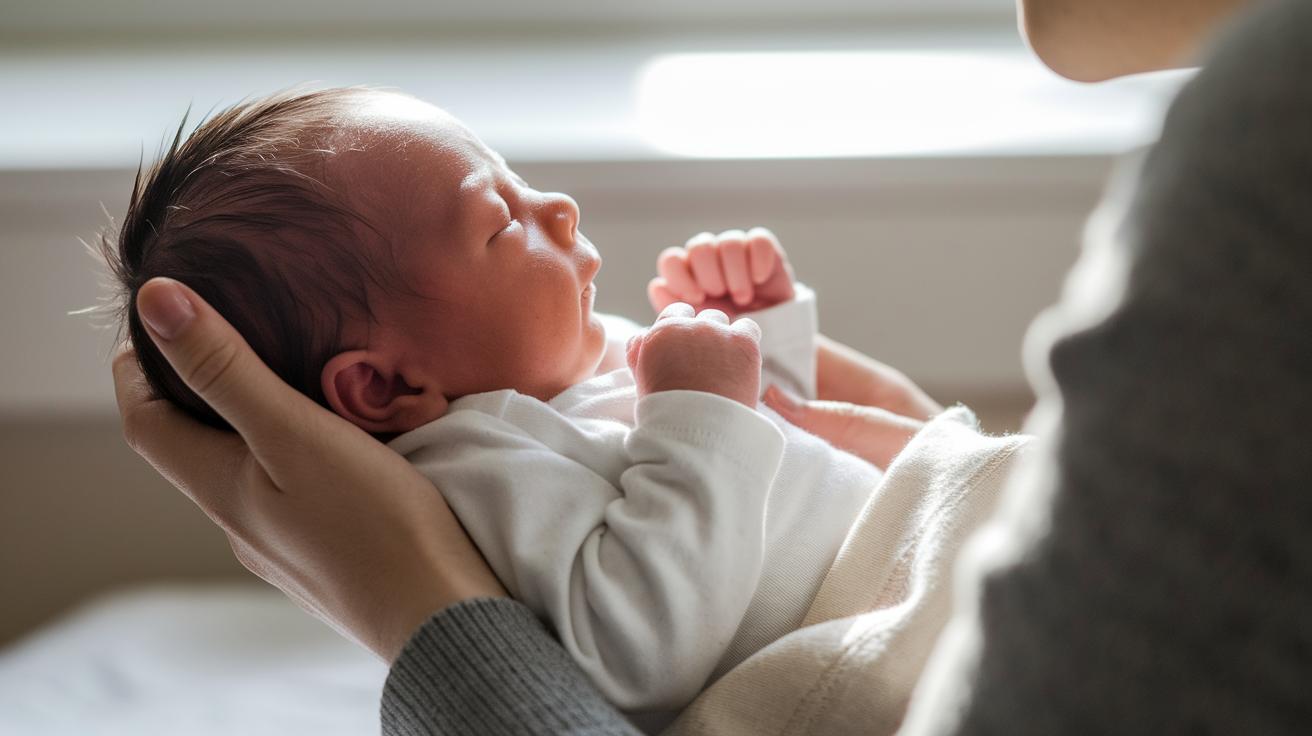
When a baby enters the world, they carry a gentle memory of every touch, sound, and feeling, kind of like a soft imprint from the very start. Their little nervous system quietly records each tender moment, from the soothing sound of a parent's voice to the caress of a caring hand. These early experiences light up tiny cells, leaving a lasting blueprint that helps guide their growing mind.
Research shows that even before babies start to think, they can remember their very first moments. Renowned experts like Stanislav Grof and Dr. David Chamberlain have found that fetuses and newborns absorb the feel and sound of their surroundings right from the start. It’s as if they gently store away every whisper and smile, setting the stage for how they feel and behave as they grow.
At the Santa Barbara Graduate Institute, scholars explore how the soft exchanges between a mother and her baby during labor might shape future bonds and even the way a child handles stress. Those early moments, filled with gentle touches and quiet reassurances, create a simple, heartfelt map that lights up later social connections and resilience.
In truth, every newborn carries with them a hidden diary of sensations and emotions. These delicate imprints, formed right at the beginning, continue to influence how they relate to the world and understand the feelings that weave through our everyday lives.
Historical Obstetric Practices Shaping the Birth Blueprint

Back in the mid-1900s, the way babies were born saw some big changes. Families once gathered around during home births, wrapped in warm comfort and care. But as hospitals took over, doctors started using tools like forceps and synthetic pain relief to speed things along. Even the practice of separating the newborn from the mother right away became common. Many feel that this shift disrupted the gentle, familiar start babies deserve.
Even though these methods were meant to improve safety, they also changed a baby’s very first experience. When hard tools and strong medicine replaced the cozy embrace of natural labor, the newborn's early moments lost some of that secure feeling. Researchers have noticed that when parents and partners stay calm and close during birth, babies tend to feel safer and more connected.
Today, obstetrics is evolving once again, mixing expert medical care with a nurturing, supportive touch. When doctors blend their skillful interventions with warmth and compassion, it helps babies get off to a more positive start. Even small tweaks in how births are handled can have a lasting impact on a child’s emotional and physical growth.
Biochemical Markers and Research in the Birth Blueprint
Every baby is born with naturally low levels of vitamin K, which plays a key role in blood clotting. Research hints that when the umbilical cord is clamped can tweak this process and tilt vitamin K levels a bit. Breastmilk, for instance, simply has less vitamin K compared to formula. Early on, scientists compared vitamin K levels based on how babies were fed, leading to routine supplementation back in the 1980s. Still, researchers today are digging into how the placenta works, revealing even more about these early life shifts.
One well-known study from 1998 by Parker L. and his team took a closer look at giving vitamin K to newborns and wondered if it might be linked to a future cancer risk. Later on in 2017, another study updated these ideas and explained why doctors might need to look at each baby’s needs separately. All of these findings paint a picture where vitamin K isn’t working in isolation; it’s tied closely to how the placenta exchanges nutrients and other tiny biological signals during birth. Even small changes at the very start of life could have a ripple effect on health down the road.
Current studies are urging us to embrace a more personal approach that respects each newborn’s unique biochemistry. After all, every baby’s start is a twist of cosmic fate, with early markers hinting at the wider birth blueprint that shapes our journey ahead.
Final Words
In the action, the article explored how vital hormones shape early life, showcased how stress and calm settings affect childbirth, and revealed how early memories set the stage for future feelings and bonds. Each section built on the idea that even tiny moments at birth leave a lasting mark on us. This view shines light on the science behind birth blueprint, showing us that embracing gentle, mindful practices can guide us toward a brighter, balanced future. Every step in this cosmic play brings hope and warmth to those following its cues.
FAQ
What does the science behind birth blueprint pdf explain?
The science behind the birth blueprint pdf explains how three key hormones—oxytocin, beta-endorphins, and adrenaline—organize labor, ease pain, and imprint newborn experiences at a cellular level.
How does Parents Evidence Based Birth inform childbirth practices?
Parents Evidence Based Birth informs childbirth practices by promoting research-backed, calm birthing methods that sustain natural hormone rhythms and nurture positive mother–infant bonding during labor.