

Have you ever wondered if your birth blueprint, your very own star map (a look at how the sky shaped your start in life), might shape the way you feel at home?
Your birth details reveal simple clues about your inner traits. Whether you’re the eldest who leads or the youngest who fills the home with playful spirit, every family role sets its own gentle rhythm.
Think of it as the soft pull of gravity that keeps you close to your loved ones, guiding warm conversations and shared smiles. This cosmic insight reminds us that understanding your unique birth blueprint can help create a balanced, loving space where every family member shines in their own way.
How Your Birth Blueprint Shapes Family Dynamics

Your birth blueprint is like your personal star map made from your birth date, time, and place. It gently reveals the patterns in your personality and hints at your role within your family. It’s like seeing how the sky guides you in everyday life.
Birth order also plays its part in the family story. Whether you’re the first, the middle, the youngest, or the only child, your position helps shape simple routines and quiet moments at home. It shows how your natural traits blend with the hopes of your family.
- Firstborn: A naturally organized and protective leader who often takes charge and keeps things running smoothly.
- Middle: A thoughtful peacemaker who negotiates and eases conflicts, balancing different points of view.
- Youngest: A charming social spark who brings fun, energy, and a little bit of daring to the group.
- Only child: A mature, independent soul who often forges clear, self-driven habits from one-on-one time with parents.
Every day, these traits shine brightly. Firstborns might set up the household routines like a calm, steady rhythm. Middle children use their natural diplomacy to turn tense moments into opportunities to understand each other better. Youngest siblings sprinkle fun and spontaneity into family life, lightening serious moods, and only children reflect a unique mix of maturity and independence that comes from special, one-on-one time with loved ones.
By spotting these clear patterns, you begin to see how everyone plays a special part in creating a warm, unified home. Your birth blueprint helps each family member understand their unique role, making it easier to build a loving, balanced space where every individual vibe contributes to the family’s cosmic harmony.
Astrological Origins of a Birth Blueprint and Kin Structure Analysis
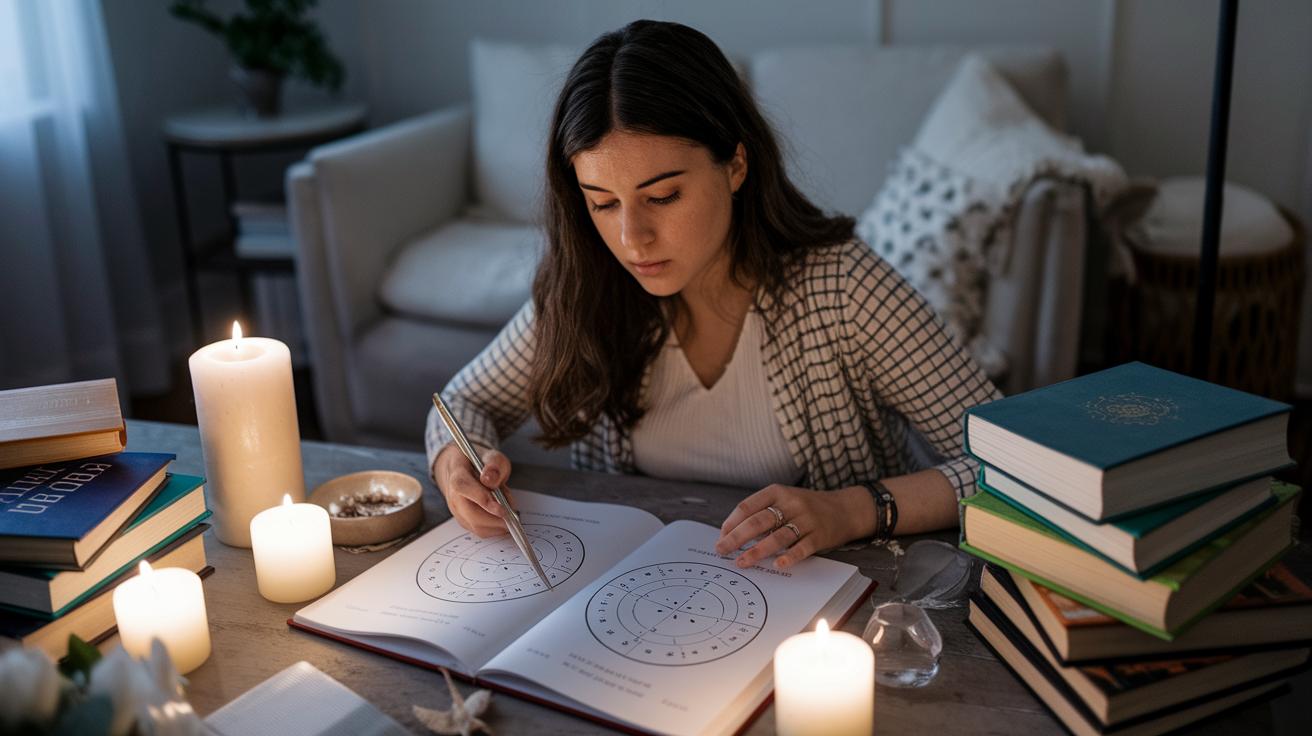
Your birth chart is like a star map, drawn at the very moment you came into this world. It shows where different planets were placed, giving hints about your way of talking, loving, and connecting with others. Think of the Sun, Moon, and Mercury as friendly guides that reveal your inner story and show how you interact with family.
Planetary Placements and Family Roles
Your Sun sign is at the heart of who you are, guiding how you act among your loved ones. Your Moon sign, like a soft whisper, sets the mood and helps nurture feelings at home. And then there’s Mercury, overseeing how you chat and listen, making conversations flow smoothly. Ever wonder how these signals help shape family roles? Check out more details here: interpreting planetary influences in your birth chart.
House Positions and Home Life
The houses in your chart give clues about your early world and where you feel safe. The 4th house deals with your roots and that cozy sense of belonging, while the 10th house hints at how parents influenced you and your public identity. Plus, your rising sign adds a spark to how you present yourself, layering on more depth to your family ties.
All these celestial elements weave together to show the unique energy of your kin. They help explain the subtle vibes and connections that make your home feel welcoming and full of life.
Generational Influence Review and Inherited Personality Traits

Research on birth order and personality has sparked lively debates among experts. Some studies hint that the order you join your family might be linked to smarts, school performance, and even your willingness to take risks. For example, a few findings suggest that firstborns could have a slight edge in intellectual pursuits, while other studies show little to no consistent benefit. Frank Sulloway’s Born to Rebel idea suggests that later-born children might lean toward more radical perspectives, while firstborns stick to tried-and-true ways. It makes you wonder just how much your spot in the family lineup shapes who you are.
The discussion goes beyond individual achievements to how traits get passed down in families. Patterns in things like academic performance and bold behavior can ripple through siblings and even reach later generations. Even though no single study has all the answers, these clues help us see the inherited patterns that play a part in family life. It offers a look at how each member contributes to the overall family vibe.
| Study Aspect | Findings |
|---|---|
| Intelligence Impact | Mixed results: slight firstborn advantage, then null |
| Academic Performance | Correlated with birth order in some large-scale studies |
| Risk-Taking Behavior | Later-borns show higher risk propensity in certain cohorts |
Birth blueprint and family dynamics Spark Warm Unity

Parents' birth charts work like star-made roadmaps that set the vibe at home. They show little clues about how love and guidance flow in the family. For example, Saturn reminds us of structure and steady discipline, think of it as a quiet beat keeping everyone's steps in sync. Meanwhile, Venus and the Moon bring out care and warmth, balancing firm limits with gentle support.
Saturn acts like that reliable friend who helps keep daily life calm and steady, much like a metronome guiding the family's rhythm. Venus sprinkles moments of kindness and playful connection into everyday routines, while the Moon paints a cozy, secure feeling around the home. If you're curious to learn more about how these cosmic signals can change your relationships, have a look at https://soulbehavior.com?p=625.
In therapy and coaching, these star clues turn into practical tools that help build stronger bonds between parents and kids. Professionals often adjust routines to mix the right amount of clear structure with soft understanding. It all adds up to turning daily family moments into chances for warmth and true connection.
Sibling Connection Analysis and Relational Role Evolution

When we're young, sibling bonds form around clear roles that later shape the way we connect. It’s like each of us finds our own little spot in the family. Sometimes, rivalries spark up as we all try to claim our place. Firstborns often take on the role of the responsible guide, while middle children tend to step in as peacemakers, smoothing over any conflicts. The youngest might charm everyone with playful antics, and only children often mix independence with a need for a bit of grown-up attention. These early moments set up patterns of friendship or rivalry, stitching together the early tapestry of sibling ties.
As we grow up, these relationships naturally shift with life’s milestones and even the gentle nudges of the cosmos. During the teen years, boundaries are tested and conflicts can flare up, but as we reach adulthood, shared experiences help rewrite these roles into something more understanding and supportive. I once heard about a middle child, caught in the middle of older and younger siblings, who rediscovered her sense of self after a significant astrological transit, a unique cosmic event that shifted her family bonds. Life’s events paired with cosmic shifts can turn early rivalry into mature cooperation, helping siblings find harmony by understanding their shared history and unique birth blueprint.
Final Words
in the action, we unraveled how your birth blueprint lays out key insights into family dynamics, spotlighting roles in each sibling position and parental influences.
We broke down planetary placements and home-life markers so you can see how each celestial detail paints a picture of everyday interactions.
Each cosmic note lays a path to deeper self-awareness and renewed clarity. Embrace these insights and let your birth blueprint guide you toward a brighter, more harmonious family dynamic.
FAQ
Where can I find PDF or PPT resources on birth blueprint and family dynamics?
The query hints at locating downloadable guides like PDFs or PPTs that outline how a birth blueprint maps family roles. Look for trusted astrology sites offering clear visual resources on this topic.
How does birth order affect family dynamics?
The question shows that birth order shapes family dynamics by assigning different roles to siblings. Each position comes with unique personality traits that influence interactions and responsibilities within the family.
How does the birth of a child affect family members?
The question reflects that a new baby shifts family dynamics by introducing fresh roles and energy. This change causes parents and siblings to adjust and develop new ways to connect with one another.
What is the birth order relationship theory?
The question suggests that birth order relationship theory explains how each sibling position brings specific traits and responsibilities. This theory helps reveal why and how different roles emerge in family settings.
Is the birth of a baby a change in family structure?
The question implies that welcoming a baby is a significant change in family structure. This event adjusts established roles and brings new dynamics as each family member adapts to the evolving household.