
Have you ever felt like the moon or Mars might be sharing a secret about who you are? For centuries, wise souls believed that the planets act like sparkling guides in the night sky, gently shaping our feelings and actions.
They thought every glowing planet carried its own little message from far-off skies, helping us uncover hidden strengths and moods. Today, we’re taking a closer look at these ancient symbols to see what they might be whispering about our lives and choices.
This cosmic journey might just change the way you see the stars above and the path beneath your feet.
Foundational Archetypes in Planet Symbolism
Long ago, secret mystery schools saw each planet as a living sign of different kinds of awareness. They believed that the shining bodies in the sky carried spiritual energy from higher realms, shaping who we are on the inside. Imagine a wise scholar saying, "Before we mapped the stars, we believed Mars sparked passion and courage – a real symbol of taking action." This idea hints at how closely the physical planets and our inner selves are connected.
Planets were never just bright dots in the sky; they were lively channels linking everyday life to the vast dance of the universe. Each planet carried its own timeless message, serving as a gentle guide through life. Take the Sun, for example. It appeared as a clear symbol of the self, radiating warmth and light, much like a comforting beacon. Other planets, with their unique cycles and energies, added layers of meaning that touched our daily experiences. In truth, ancient astrologers used these symbols to reveal the natural energy around us, bringing the cosmos into clear focus in our everyday lives.
In some traditions, Earth held a special role as the only home to living souls, making it unique among the planets. Early writings told us that each planet was part of a bigger story, a celestial guide that still inspires modern astrology today. This ancient system of symbols shows our long-standing quest to understand life under the vast, ever-changing skies.
Sunlit Symbol Interpretation and Lunar Iconography

The Sun lights up our inner self like a warm friend on a cool day. It shows us who we really are while shifting its glow each month, much like our own ups and downs. When you read your horoscope, picture the Sun as a storyteller who shares secrets about your identity and purpose. Imagine it as a lighthouse that stays bright even when its sign changes. Its steady rhythm reminds us that, like the Sun, we also have times for fresh starts and gentle self-reflection.
Now, think of the Moon as the keeper of all our feelings. It moves gracefully through the zodiac every few days, just like a tide that lifts and falls. Ever felt a soft whisper on a quiet night? That’s the Moon, sharing little secrets about your emotional world. With the help of the Ascendant, it shows us the delicate balance between how we feel inside and the image we present to the world.
Together, the Sun and Moon reveal the blueprint of our soul. The Sun sparks our inner light, and the Moon reflects the natural ebb and flow of our moods. Their cosmic dance in every chart reading invites us to see life as a beautiful, ever-changing journey of light and shadow.
Mercury’s Swift Influence and Venus’s Love Charm
Mercury is like a speedy messenger in the sky, zipping along and carrying thoughts and ideas for us. Picture Mercury as a little courier, racing through the stars every 3 to 4 weeks, sparking quick insights and light-hearted chat. Its fast flight reminds us that sometimes, a short pause is all we need to catch that glimmer of inspiration.
Venus, on the other hand, speaks the language of love and beauty. Every 4 to 5 weeks, Venus graces the heavens like a gentle painter mixing colors on a soft canvas. She helps reveal what we desire and cherish, inviting us to connect with others in a warm, captivating way. Ever feel like the glow of Venus inspires you to see the beauty in every moment?
Together, these planets remind us that our minds and hearts are always in a cosmic dance, blending logic with a touch of magic.
Mars’s Crimson Drive and Jupiter’s Olympian Growth

Mars shines brightly in our night sky like a bold spark, urging us to leap into action. Every 6 to 7 weeks, this fiery planet moves through a new sign, encouraging us to trust our gut and take the plunge without overthinking. Think of Mars as that brave cosmic warrior nudging you to make a daring choice.
Jupiter, our gentle giant, moves at a slower pace. It takes about 12 to 13 months for it to shift into a new sign, reminding us that real growth happens with time. This expansive planet fills our hearts with optimism and helps our dreams flourish, like a kind guide showing us the power of patience.
When you pause for a quiet moment, you can see how Mars and Jupiter work together in a beautiful dance. Mars gives us an instant burst of energy, while Jupiter creates a nurturing space for our ideas to grow. It’s a balance between quick actions and steady progress that teaches us the value of both.
Together, these mighty planets remind us that determination and growth go hand in hand. Their rhythmic journeys in the sky encourage us to embrace our inner strength and expand our horizons at our own pace.
Saturn’s Timekeeper Patterns and Uranus’s Revolutionary Force
Saturn is our gentle cosmic clock. It spends about 2 to 3 years in each sign, guiding us slowly through change. Think of Saturn like a wise friend who patiently reminds us that life moves in cycles, much like a caring gardener planting seeds that will someday blossom.
Uranus, however, moves with a burst of energy. It takes around 7 years to cross each sign and shows up with sudden surprises. Imagine a friend who dares you to try something new and shakes off old habits. Its spark of innovation can shift our view in a flash, urging us to break free from routines that no longer serve us.
Together, Saturn and Uranus create a cosmic dance. Saturn’s steady pace shows us the value of consistent effort, while Uranus brings the thrill of unexpected change. Their rhythms invite us to balance tradition with fresh ideas, creating a beautiful blend of structure and innovation in our lives.
Neptune’s Mystic Visions and Pluto’s Underworld Transformation

Neptune shines like a gentle beacon, wrapping our world in a soft, dreamy glow that makes us want to look deeper. It drifts slowly through the zodiac over 10 to 12 years, inviting us to embrace ideals and gentle insights. Picture a calm sea, where each ripple whispers about hidden dreams and quiet hopes, sparking creative energy and calling for inner peace.
Over in the cosmic arena, Pluto quietly stirs powerful change. Even though many now call it a dwarf planet, Pluto still transforms our lives in deep, meaningful ways. Its cycle, lasting about 12 to 15 years, urges us to let go of old habits and step into a renewed self. Imagine walking into a dim cave lit by a single beam, where every shadow hides a lesson waiting to be discovered. Pluto’s energy gently nudges us to review the past and emerge with a fresh sense of purpose.
Together, Neptune and Pluto guide us on a journey of soft illumination and profound inner change. They invite us to take an honest, sometimes dreamlike look at the parts of ourselves we keep hidden. Their long, rhythmic cycles remind us that growth can be both subtle and deep, inspiring a quiet strength to face life’s hidden challenges.
Mythological and Historical Context of Planetary Symbols
Long ago, ancient magic schools tied each planet to legendary gods and timeless creation myths. They saw the bright, glowing Sun, Helios, as a beacon of strength and endless inspiration. The gentle Moon, known as Selene, softly guided our feelings like the ebb and flow of the tide, painting a serene portrait of human emotions. And then there’s Pluto, once known as Hades, reminding us that even in life’s darker moments there are hidden lessons waiting to transform us.
Early scholars dove into these divine stories, believing that each planet carried its own cosmic tale. Imagine hearing, “As the Sun rises, so does hope,” a warm reminder to connect our inner light with the wonder of the sky above.
These age-old legends serve as a guide, showing us how myth and history dance together in the design of the stars. Even now, these ancient whispers invite us to discover the timeless secrets of the cosmos.
Integrating Planetary Iconography into Birth Chart Analysis
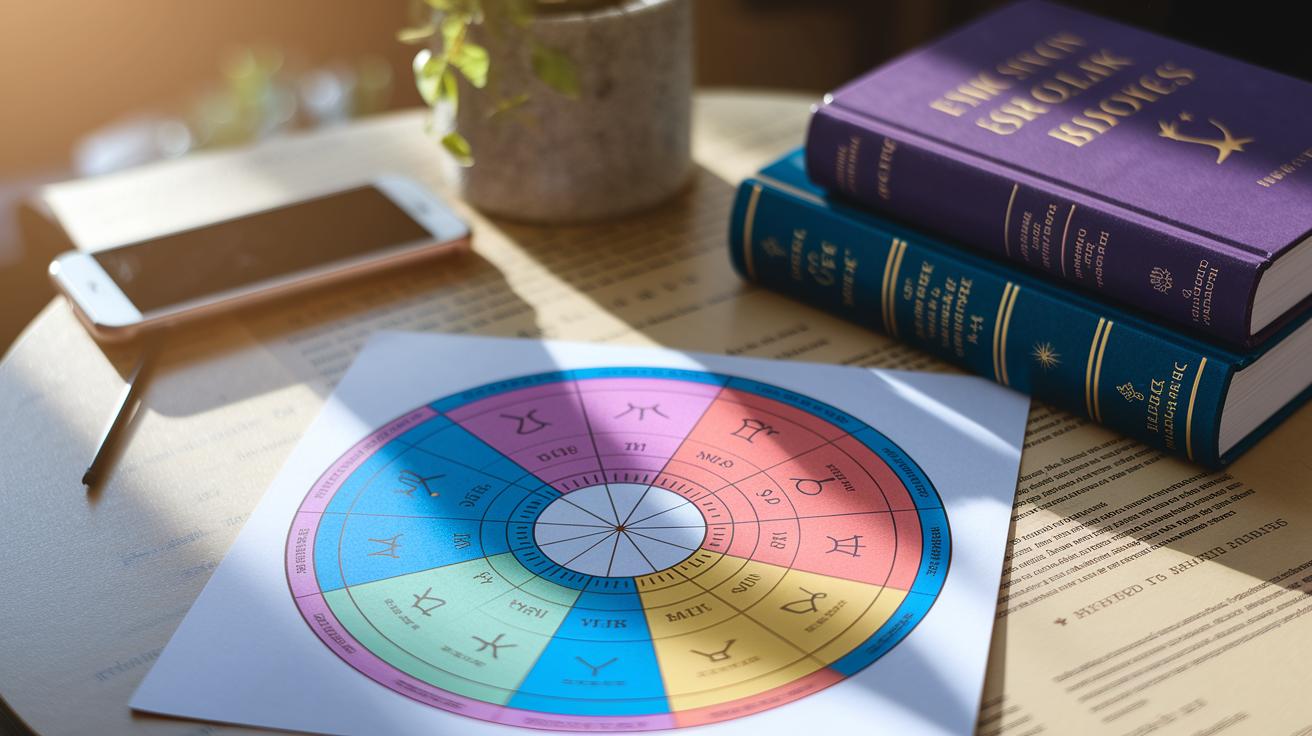
Imagine your birth chart as a magical cosmic map where zodiac signs, planetary positions, and houses come together to tell your personal story. This isn’t a list of random numbers; it’s like a gentle display of cosmic clues that shows how each celestial body paints a part of your inner portrait. For instance, Mercury might nudge you to think quickly and chat freely, while Venus softly hints at what you really value in your relationships.
Astrologers look at how these planets interact in your birth chart by tracing clear patterns across different parts of your life. They study the Sun, Moon, and other planetary energies to pick up clues about your emotions, drives, and even career paths. It’s a bit like solving a puzzle where each piece fits together to reveal who you are inside.
Sometimes, you can feel a full cosmic echo when the energy of each planet blends with the zodiac. It’s like listening to a beautiful symphony where every note adds depth to the tune. Many astrologers follow a step-by-step method to analyze your chart and uncover these hidden connections.
By using a guide that decodes prophetic symbolism, you can notice even the smallest planetary details. This method helps you connect with the energies that shape your everyday life and understand which parts of your character are being gently steered by the stars.
Timing Transits and Their Behavioral Resonance
When swift inner planets join forces with the slow, steady outer ones, your day can feel extra meaningful. Take Mercury, for example, a fast-moving planet that often brings quick ideas, linking up with Saturn, a more patient planet that teaches lessons slowly. This mix may signal the perfect moment to rethink an old idea.
Think about Mars and Uranus. Mars bursts with energy, and Uranus, which moves in surprising ways, adds a gentle twist. Their timing helps guide you to take bold steps, almost as if the universe was whispering, “Now’s your chance.”
Imagine a brief flash of inner energy while a longer outer cycle sets a calm stage. Picture a quick, bright messenger urging you to act, even as a slower planet lays down the path for lasting change. That sudden moment of decision might seem even more clear because it falls right in the middle of a longer, steady phase.
Here’s a little example: when a fast transit meets a slow drift, it can spark fresh insights in everyday life. Just as an unexpected rain shower can refresh a dry garden, a fleeting Mercury moment paired with a lingering Saturn phase can bring a burst of clarity and calm.
In truth, the way these planets dance together helps you see when to move forward and when to pause. It’s like a gentle wink from the cosmos, guiding you to trust your inner rhythm.
Visual Aids for Decoding Celestial Symbols
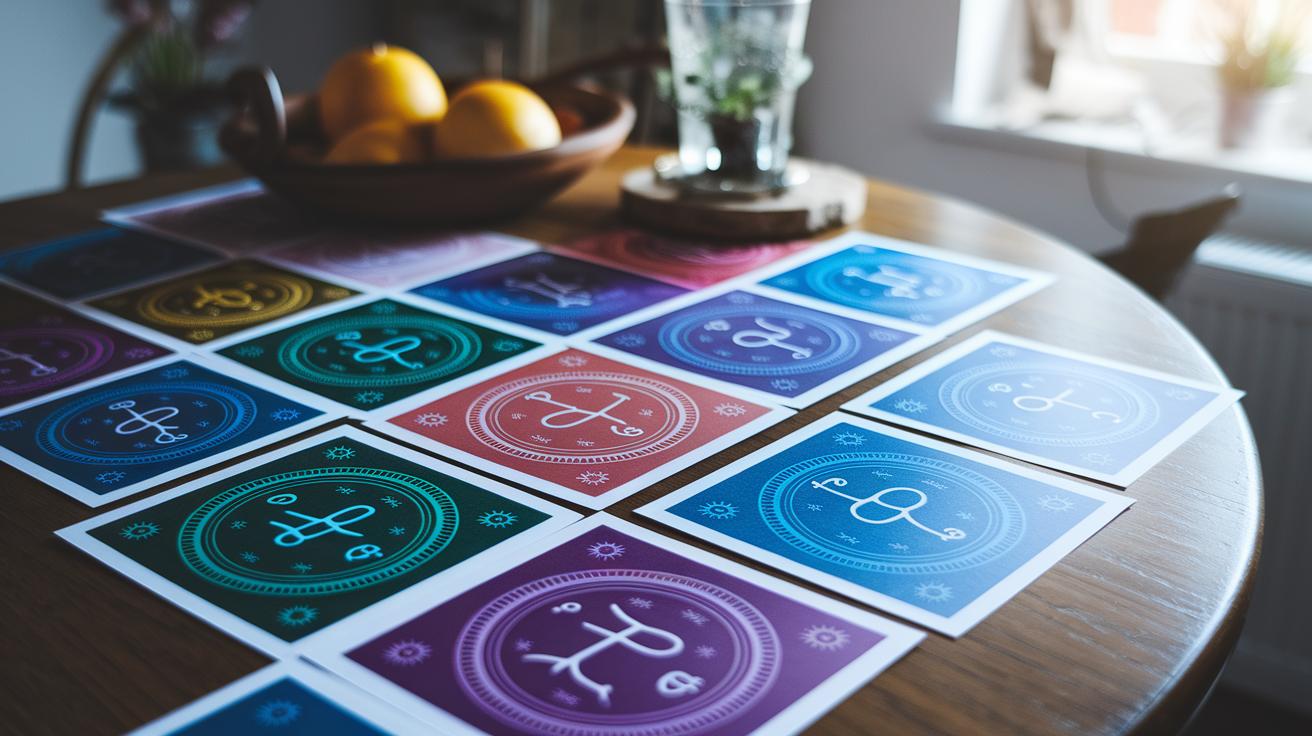
Printable zodiac cheat sheets are like friendly guides that break down the sky's symbols into simple parts. They list planets, signs, and other key details on one easy-to-read page. These sheets work just like a small instruction booklet, helping you see how the stars weave into your personal cosmic story.
Charts that show where the stars and constellations sit in the sky bring the universe to life. Imagine a picture that unlocks the hidden language of the night. These diagrams turn vague notions into clear pictures, letting you follow the journey of energy from one constellation to another.
Here are some handy visual tools to try:
- Printable zodiac cheat sheets
- Star map diagrams
- Glyph key charts
| Resource | Description |
|---|---|
| Glyph Keys | Simple images that show each planet’s symbol in a friendly way. |
| Star Map Diagrams | Charts that pinpoint star positions, making constellation stories easy to see. |
| Cheat Sheets | Lists that include rulers, elements, and more to help uncover the mysteries of the night sky. |
Final Words
In the action, we dove into the hidden meanings behind the planets. We traced symbols from ancient myth to everyday guidance, linking each sign to distinctive astrological energies. Small snapshots of the Sun, Moon, and other planets offer us clear signals on who we are and how we can grow. This discussion shines a light on decoding the symbolism of planetary influences in astrology, helping you feel more confident as you step forward with clarity and positive energy.
FAQ
Q: What do the nine planets symbolize in astrology?
A: The nine planets in astrology represent distinct energies. They embody traits like self-expression (Sun), emotion (Moon), communication (Mercury), love (Venus), action (Mars), growth (Jupiter), structure (Saturn), innovation (Uranus), and spirituality (Neptune).
Q: How do zodiac signs, planets, and elements relate in astrology?
A: In astrology, zodiac signs outline personality traits while planets add energetic influences. Elements—fire, earth, air, and water—provide qualities that further shape and balance these astrological readings.
Q: What do planet symbols in astrology represent?
A: Planet symbols in astrology visually convey each planet’s unique energy. For example, Mercury’s winged glyph hints at swift communication, while Saturn’s icon signifies discipline and the need for structure.
Q: What do planetary movements influence in astrology?
A: Planetary movements mark the timing of mood shifts and decision cycles. Their varying speeds, from Mercury’s rapid transitions to Saturn’s slower shifts, highlight periods of change that echo through daily life.
Q: What role do planets play in an astrology chart?
A: Planets in an astrology chart reveal your life’s energy blueprint. Their positions within zodiac signs and houses indicate how you communicate, feel, grow, and face challenges in everyday life.
Q: What is the meaning behind Saturn’s symbol in astrology?
A: Saturn’s symbol in astrology reflects order, discipline, and the call for responsibility. It suggests that through structure and hard work, personal maturity and steady growth can be achieved.