

Ever wonder if the stars have clues to who you truly are? Your natal chart (a snapshot of the celestial imprint at your birth) is like a heartfelt letter from the sky. Picture it as a treasure map that shows your sun's warm glow and your moon’s soft whispers. Each of the 12 areas in your life gets a gentle nudge from the cosmos. This celestial guide helps you piece together hints from above, unveiling your inner story and lighting your way forward.
Fundamentals of Reading a Natal Chart

Imagine your natal chart as a personal guide written in the language of the stars. It maps out five key elements that reveal what makes you uniquely you. The Ascendant, or rising sign, kickstarts this journey. It changes roughly every two hours, kind of like watching the sunrise, and shows how you first greet the world. In short, your chart is a celestial roadmap linking your inner spirit with the life you live.
Your sun sign is like the front cover of your cosmic story. It locks in where the sun was when you were born, highlighting your public face and dreams. On the flip side, your moon sign, shifting every few days, whispers secrets about your hidden feelings and inner tides. Think of it this way: the sun lights up your stage, while the moon softly reveals the quieter, heartfelt parts of you. Together, they create a warm portrait of both your outer shine and inner glow.
Now, picture the sky neatly divided into 12 houses, each one spotlighting a different slice of life, whether it's work, relationships, or home. As planets move through these houses, they add bursts of energy and color to each area. Then there’s the chart ruler, a special planet linked to your Ascendant that helps pull everything together by pointing to your future’s direction. When you blend insights from your Ascendant, sun, moon, houses, and wandering planets, you get a lively, moving picture of who you truly are. If you’re keen on diving even deeper, there are guides out there to help you unlock more of this cosmic mystery.
Exploring the 12 Houses in Your Natal Chart
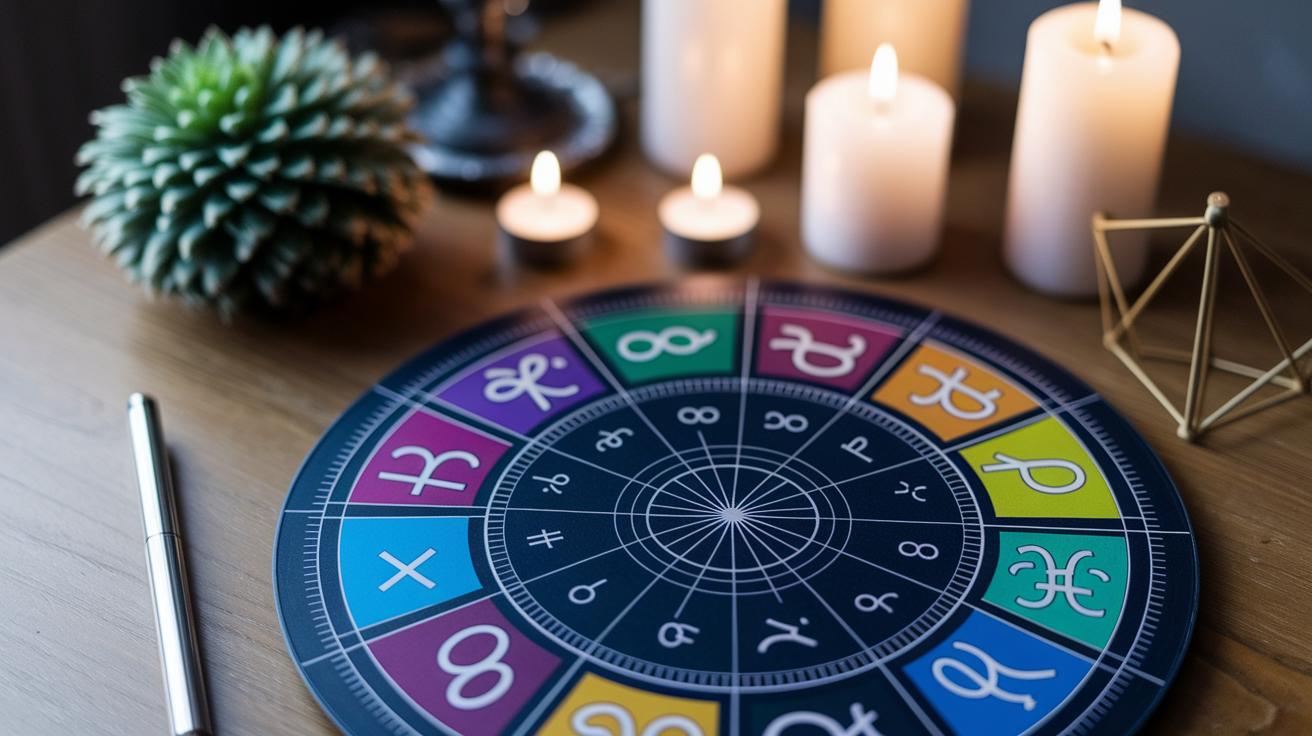
Your natal chart splits the sky into 12 little zones, each one tied to a special part of your life when you were born. They show where the planets' movements touch on different aspects of who you are, giving gentle hints about where you'll feel their vibes.
- 1st House: Self & Appearance
- 2nd House: Values & Possessions
- 3rd House: Communication & Learning
- 4th House: Home & Family
- 5th House: Creativity & Romance
- 6th House: Health & Service
- 7th House: Partnerships & Relationships
- 8th House: Transformation & Shared Resources
- 9th House: Philosophy & Travel
- 10th House: Career & Public Life
- 11th House: Community & Aspirations
- 12th House: Spirituality & Hidden Aspects
When you line up your main planetary placements with these houses, you get a clear cosmic map of how different energies mix in your life. Use this guide as a friendly tool to spot where your personal strengths and challenges are coming through.
Decoding Zodiac Signs on a Natal Chart

The zodiac is like a glowing belt in the sky that holds 12 special signs in order. Each sign marks the moment when the sky met the earth at your birth, setting the stage for the houses and where the planets were shining. It’s a steady flow that shows your rising or setting signs, giving you a glimpse into how the stars reflect your everyday life. Think of it as a clock face that guides the soft rhythm of the cosmos.
Every sign is tied to one of four elements , fire, earth, air, or water. Fire signs burst with a warm light, kind of like a sudden spark that lights up a quiet night. Earth signs help you feel grounded and steady, while air signs flutter with new ideas. Water signs move gently like deep tides of emotion. These elemental ties and groupings paint a rich picture of how each sign adds its sparkle to a house or a planet.
Your Sun sign beams out like a bright light showing how you express yourself, while your Moon sign softly reveals your inner emotions. Together, they work like twin spotlights that shine on different parts of your cosmic portrait , one for the world you show and one for the feelings you keep tucked inside.
Analyzing Planets and Their Placements in a Natal Chart

Planets in your birth chart are like little messengers from the sky. They show moments in your life by where they sit, hinting at different shades of your personality. The Sun shines a light on your bold, outgoing side, while the Moon gently reveals your softer, private feelings. Sometimes, these energies change with the time of day. For example, a planet might feel stronger when it shines in a daytime chart than in a nighttime one.
They also move in a kind of cosmic dance that reflects your everyday ups and downs. Their placements can give clues about short bursts of mood and change. Daytime (diurnal) and nighttime (nocturnal) settings can make a planet appear bright and bold or soft and subtle. So, the same planet might show itself in different ways as it adds extra flavor to your chart and invites you to explore its role even more.
| Planet | Represents | Orbital Period |
|---|---|---|
| Sun | Outward expression | 1 year |
| Moon | Inner emotions | 28 days |
| Mercury | Communication | 88 days |
| Venus | Love and beauty | 225 days |
| Mars | Drive and energy | 2 years |
| Jupiter | Expansion and growth | 12 years |
Sometimes, planets even seem to move backward in your chart. When this happens, it can feel like the universe is giving you a gentle nudge to look back and learn. A retrograde might mean there are slowdowns or times when you need to pause and reflect on how you share your thoughts or express your love. Paying attention to these shifts, along with whether they happen during day or night, adds another layer of meaning to your unique cosmic story.
Interpreting the Ascendant, Chart Ruler, Midheaven, and Nodes in a Natal Chart
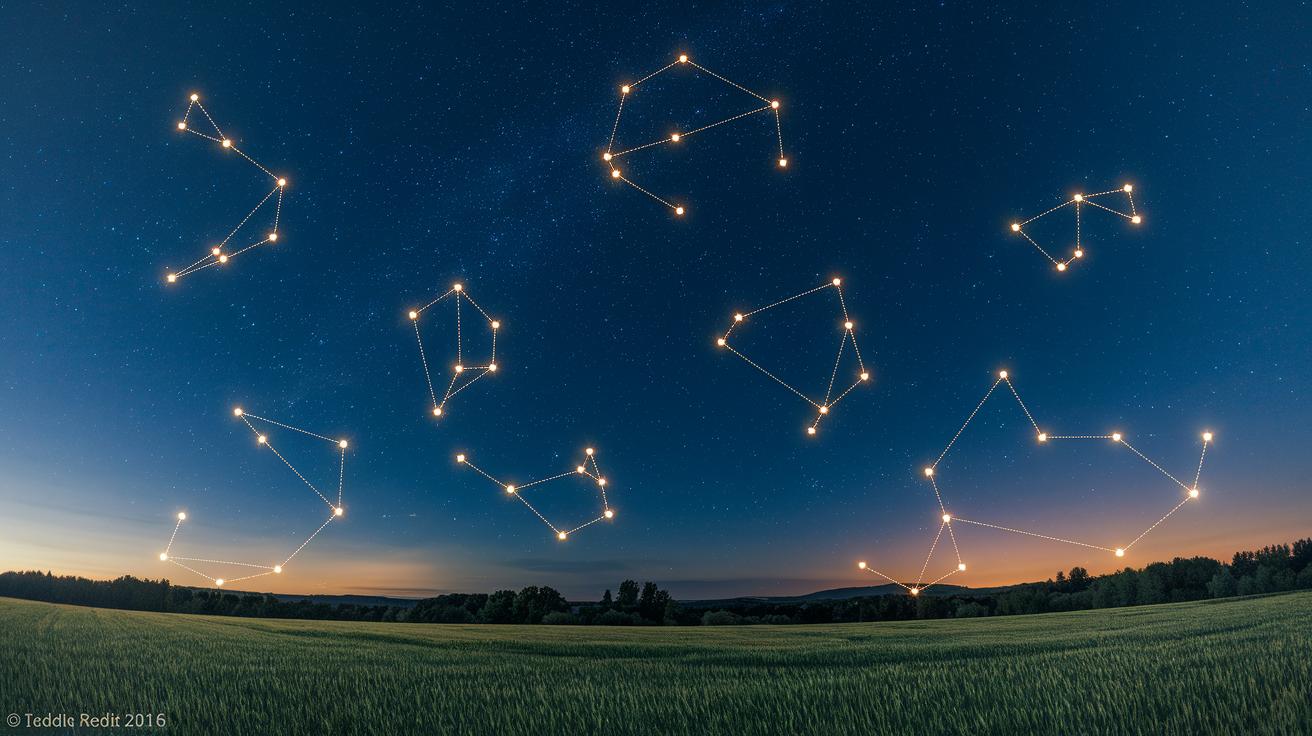
Ever wondered how the stars hint at your life's direction? Your Ascendant, or rising sign, shifts every couple of hours, acting like an instant snapshot of how you first greet the world. It lays the groundwork for how you naturally behave and the kind of first impression you make.
The chart ruler, the planet that governs your Ascendant, highlights major life themes and the paths you might take. If your chart shows a day or night mode, it tweaks which planetary energies you feel more strongly, adding an extra layer of cosmic flavor to your self-portrait.
Then there’s the Midheaven, or MC, which maps out your career and public persona, almost like a sign pointing to your professional journey. Meanwhile, the Northern Node reveals where your real strengths lie and hints at a deeper, spiritual path to grow into your full potential.
Together, these key points light up your unique cosmic blueprint, inviting you to explore the blend of your inner gifts with the world you shape.
Step-by-Step Natal Chart Interpretation Tutorial

Start off by collecting your natal chart – that magical snapshot of the sky from the moment you were born. Think of it as your personal cosmic map, filled with hints about your inner qualities and life themes. You can find one easily using a simple birth chart calculator or detailed report, letting you dip your toes into the wonder of your own universe.
Next, track down your Ascendant by noting its degree. This rising sign gives you a little peek into how you greet the world, almost like your friendly cosmic handshake. Then, locate your Sun sign along with its degree and the house it calls home. The Sun is like your bold storyteller, shining a light on your outward self and your personal ambitions.
Now, don’t forget your Moon sign. Check its degree and the house it inhabits; the Moon whispers about your inner emotional currents. Once you’ve got these, map all the major planetary placements by house and sign. Each placement is a brushstroke on your cosmic canvas, adding depth and color to your unique portrait.
Finally, look at the key aspects between your luminaries – like the Sun and Moon – and your personal planets. These angles are where different energies mingle, deepening your chart and revealing how various parts of you resonate with one another.
Step by step, as you bring these elements together, you’ll see a clear picture emerge. The Ascendant shows your immediate vibe, while the Sun and Moon balance the outer sparkle with inner feelings. And with a little help from a free natal chart reading tool, you can turn this complex celestial drawing into an easy-to-follow guide that lights up both quick insights and long-lasting themes in your life.
Advanced Tools: Transits, Progressions, and Ephemeris in Natal Chart Study

Transits are like a live snapshot of the sky. They compare where the planets are now to where they were when you were born, helping you spot when cosmic energies start to mix with your personal blueprint. It’s a bit like noticing how a sudden breeze can change the direction of the wind, hinting at moments when emotions or daily plans might take a turn.
Secondary progressions work a little differently. They move your birth chart forward to show inner growth and the gentle shifts in your life’s rhythm, almost like reading the soft language of your heart. It’s a quiet reminder that change is always brewing inside you.
An ephemeris is another handy tool in your astrological kit. This list shows the daily positions of planets so you can track how the sky is slowly transforming. Watching these movements can help you see small, meaningful changes that mirror what’s happening within you, making your cosmic journey feel even richer.
Final Words
In the action, we explored the basics, covering the Ascendant, Sun, Moon, houses, and planets that make each chart uniquely cosmic. We broke down zodiac signs, detailed the 12 houses, and even touched on chart rulers and nodes. The post walked through a simple step-by-step guide on how to read natal chart, making it feel like a friendly chat under the night sky. We ended with tips on advanced tools like transits and progressions. Every insight is a small clue to your cosmic blueprint, inviting you to shine brighter today.
FAQ
How to read a birth chart PDF?
The process of reading a birth chart from a PDF starts with checking the Ascendant, Sun, Moon, houses, and planets. This method helps you catch quick insights about your personality and life areas.
How to read a natal chart wheel?
The natal chart wheel shows your zodiac signs paired with houses. By studying the positions of the Ascendant and planets, you quickly grasp your unique astrological blueprint.
How to read a birth chart in minutes?
The technique for reading a birth chart in minutes focuses on key points like your Ascendant, Sun, Moon, and house placements. This approach offers immediate clues to your specific cosmic makeup.
How to read a birth chart for beginners?
The advice for beginners is to begin with a few essential elements: the Ascendant, Sun sign, and Moon sign. Starting here gives you a simple guide to your chart’s basic cosmic elements.
What free tools are available for birth chart analysis?
The free tools include online birth chart calculators and PDF analysis reports. These resources present a straightforward way to see your chart specifics without any cost.
How to read birth chart houses or a natal chart house?
The method for reading chart houses connects each numbered house to a life area. Each house offers hints about your experiences and behaviors as shown in your birth snapshot.
How to read lines on a natal chart?
The lines drawn in a natal chart show how planets interact with each other. These lines highlight aspects between planetary energies that shape your inner feelings and thoughts.
What does a natal chart reading tell you?
A natal chart reading tells you about your inner motivations, challenges, and growth points. It explains how the placements of key elements reveal your core personality and potential patterns.