

Have you ever felt like the night sky might be sharing little secrets about your mood? Many believe that the gentle shift of planets like Mars, Venus, and Mercury can nudge our feelings, not merely by chance. Some even say our changing emotions reflect the steady, ever-changing sky, blending everyday science with age-old wisdom. Today, we’ll explore how these simple planetary alignments might softly shape our moods and behaviors. Could the way the planets come together be a clue to understanding our daily emotions?
How Planetary Alignment Affects Mood and Behavior: Science and Astrology Combined
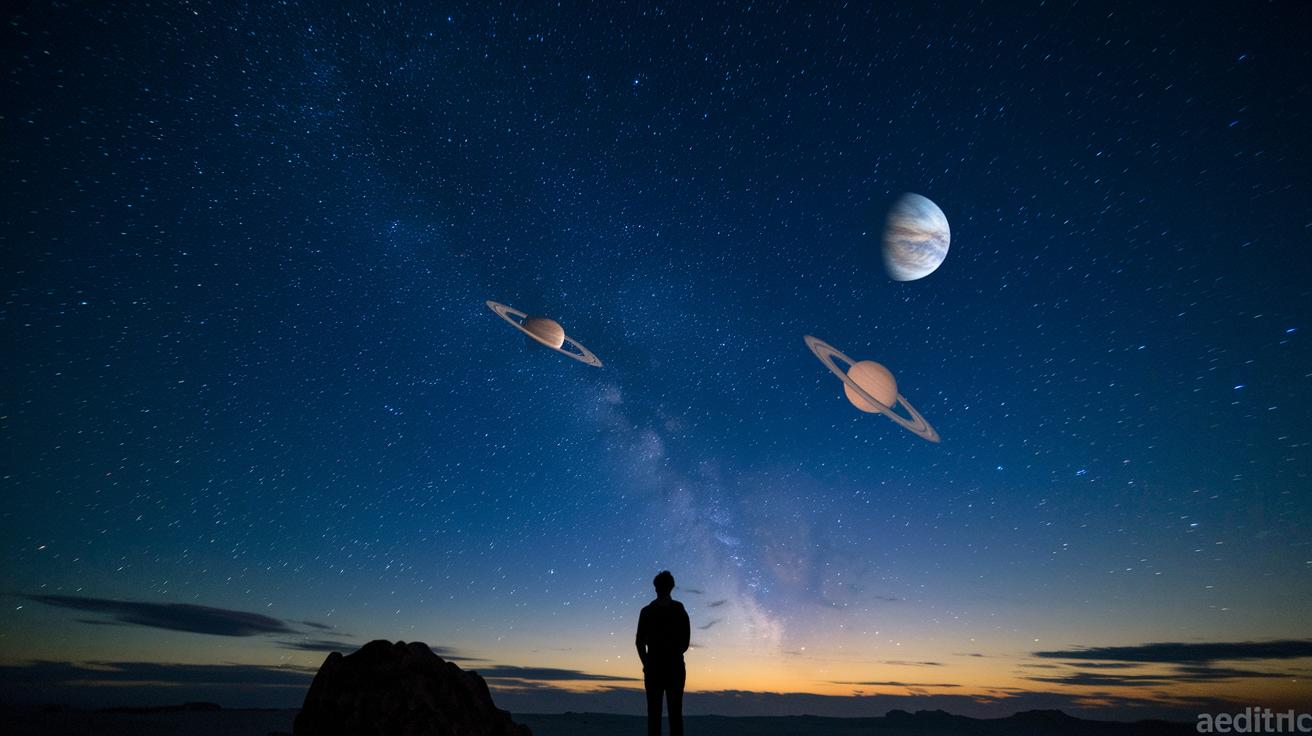
Ever notice how your mood can flip as quickly as the changing night sky? One minute you're laughing, and the next, you're feeling blue. It makes you wonder if the planets in our sky might be stirring our emotions. Some people think the gentle dance of these celestial bodies can shine a light on our everyday feelings, blending simple science with the art of astrology.
Scientists and astrologers have picked up on something interesting: when planets shift in the heavens, some of us feel it deep inside. Sure, there's no solid proof yet, but many believe that tiny energies from the cosmos might be matching the shifts in our moods. They ask, is it just chance? Or does the universe whisper little hints that gently guide our choices?
Take Mars, for example. Astrologers say its fiery push can spark moments when we feel bold or even a bit irritable, like a tiny spark that starts a warm fire when you need that extra boost. Then there's Venus, usually tied to our need for harmony, beauty, and balance, almost like it smooths out the rough patches of our day. And Mercury? It's often seen as the friend who helps us speak clearly, even when everything seems a bit chaotic. These cosmic clues suggest that how we feel, whether it's a burst of courage or a quiet pause, might be twinned with how the stars are arranged above us.
Isn’t it amazing how the vast universe can feel so close, weaving its gentle magic into our everyday lives?
From Ancient Vedic Charts to Modern Beliefs: Planetary Alignment Effects Through History

Long ago, people believed that the positions of the planets could reveal insights about our moods and characters. In ancient Vedic practices, like free Kundli readings (which help map where the stars were when you were born), Panchang calendars, Tithi (a day's passage), Nakshatra (star clusters), and Rahu Kaal (a tricky time period), these tools served as guides to understand the sky. They helped communities notice patterns in the heavens and connect them with everyday feelings. It’s a lovely reminder of how our ancestors kept their lives aligned with the stars.
In Chinese astrology, they watch how the planets and the moon work together to show personality traits and emotional cycles. Even today, people enjoy checking weekly horoscope updates for a friendly nudge from the cosmos. It feels like the stars are still whispering secrets about our shifting moods.
Looking at both old and new ways, we see that while some ideas remain timeless, many have grown and changed. Ancient methods, based on careful stargazing, laid the groundwork for the detailed charts we use now. Modern practices mix these age-old techniques with fresh insights, using updated Panchang calendars and weekly forecasts to guide us. These blended ideas continue to spark curiosity and offer gentle, priceless guidance on our journey through life.
Tools and Mechanics of Tracking Planetary Alignment for Mood Analysis
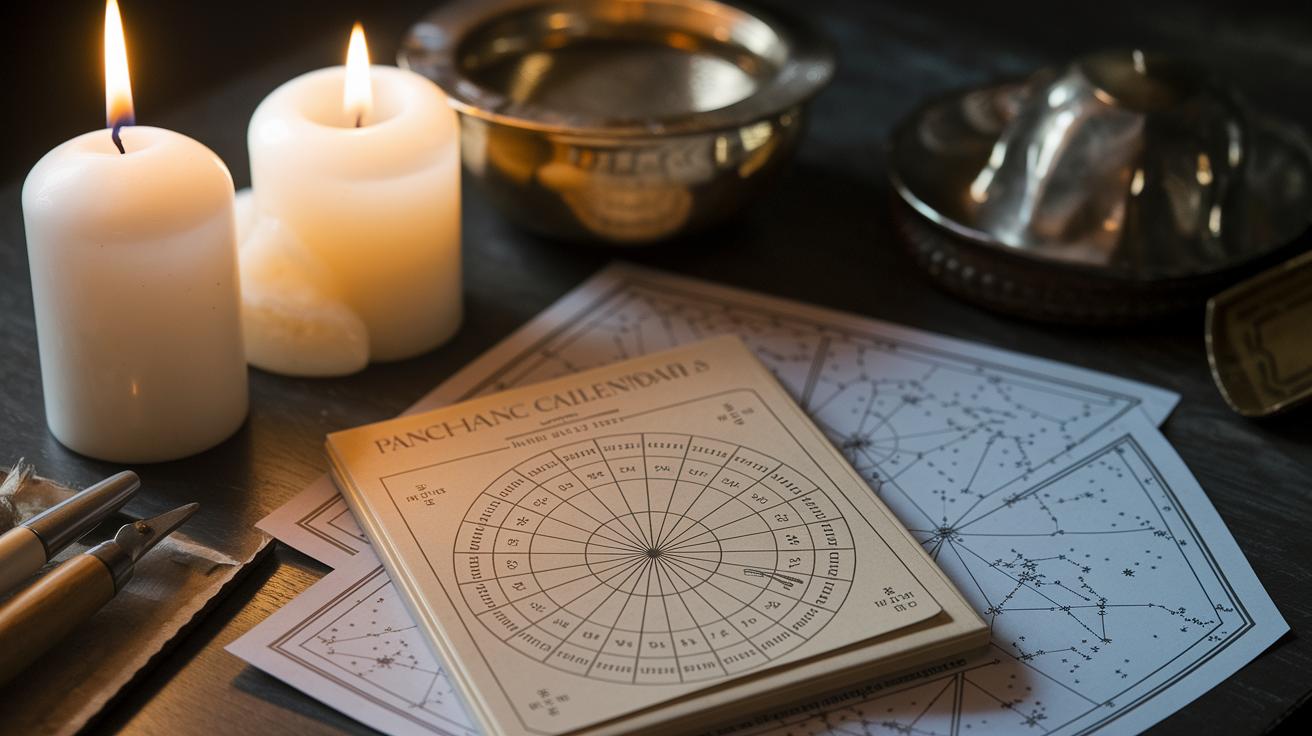
Astrologers use special timing tools to mark the exact moments when the planets shift in the sky. They rely on these tools to catch both the bright and challenging times that sync with our inner rhythms. It’s like having a clock that tells you more than just the time, it gives you hints about the moods you might feel when the cosmos changes its tune.
| Tool | Function |
|---|---|
| Panchang Calendar | Tracks daily planet positions and key timings |
| Tithi | Marks the lunar day so you know the energy phase |
| Shubh Muhurat | Highlights times that are especially favorable for positive vibes |
| Nakshatra | Points out star clusters that influence our emotional currents |
| Choghadiya | Gives short-term windows to spot optimal and tricky periods |
| Rahu Kaal | Signals time slots to be careful because of disruptive energies |
By syncing these tools with our own feelings, astrologers can see how the stars relate to our moods. When the Panchang Calendar notes a special alignment, it might match up with a time when you feel especially upbeat or a bit reflective. In truth, it’s as if the universe nudges you, reminding you to tune in to your inner self while the planets continue their gentle, silent dance in the night sky.
Evaluating Skepticism: Do Planetary Alignments Truly Influence Behavior?

Have you ever wondered if the stars really guide our actions? Even though there are some fascinating personal stories, major clinical studies haven’t found a clear link between the planets and our everyday behavior. In fact, there are only a few controlled experiments that even attempt to prove this connection.
Because we lack solid scientific evidence, much of astrology remains a personal belief rather than a proven fact. Researchers still haven't been able to replicate results on a scale that would earn a scientific consensus.
A lot of therapists see astrology as a gentle mirror that shows us how we’re feeling. They say it’s a neat way to reflect on emotions and mark important moments in our lives. It offers a comforting perspective that can add to traditional therapy, giving us another way to look at our inner worlds.
At the same time, therapists remind us that while cosmic events might echo our emotional moods, they shouldn’t replace real, evidence-based mental health care. Reading planetary positions can spark introspection and provide some comfort, but it’s best used alongside tried-and-true treatments. This thoughtful balance blends ancient ideas with modern care, nurturing both our wonder and our well-being.
Leveraging Planetary Alignment Insights for Daily Emotional Awareness

Every day is a fresh chance to listen to the gentle whispers of the stars. By checking in on planetary details, you might uncover small nudges that lift your mood. Imagine starting your day by glancing at the Panchang (an old guide that shows key planet movements) to catch a hint of what's ahead.
Often, the heaven's subtle signals mirror the little shifts in our feelings. It feels like the universe is giving you a soft reminder, that a larger rhythm is around, sparking moments of insight as you go about your day.
Astrological guidance can be both practical and comforting. With just a few simple steps, you might feel a reassuring link between cosmic movements and your own mood. Here are five ideas to help you vibe with the stars:
- Check today's Panchang for key planet movements.
- Read your daily horoscope at sunrise.
- Jot down changes in your mood during major celestial shifts.
- Request a free natal chart (a snapshot of your cosmic birth info) to dive deeper.
- Reflect on weekly horoscope summaries.
These small rituals can turn uncertainty into gentle self-awareness. When you tune into the day's details, like precise transit times or subtle energy changes, you empower yourself to find balance. It’s a way to let the quiet pulse of starlight brighten your everyday life.
Future Research Directions in Planetary Alignment and Psychological Well-being

Current work in this field often struggles with small study groups and short timeframes. Early hints suggest a tie between issues like ADHD and depression and the movements of planets, but we still lack studies that mix solid clinical data with the timing of celestial positions. Researchers haven’t yet agreed on a way to gather emotional data along with detailed planetary charts.
Looking forward, exciting paths for study are on the horizon. One idea is to use wearable devices that track mood each day to see if changes match sidereal placements (that is, the positions of stars and planets relative to well-known constellations). Another avenue is to use big-data research to compare emergency room records with the rhythms of the cosmos, exploring if our mental health shifts in tune with universal cycles. There’s also potential in mixing clinical tests like psychogenetics with exact astrological timing, which could reveal how our emotions float with cosmic cycles. Plus, studies might map sidereal placements with long-term mood trends to better explain how celestial events relate to our mental well-being.
Bringing together scientists, doctors, and astrologers might spark groundbreaking studies that weave solid facts with cosmic insights, deepening our grasp of mental health in the light of the stars.
Final Words
In the action, our article explored how the stars may sway our feelings through planetary alignment effects on mood and behavior. We checked both scientific views and time-honored astrological practices that connect our emotional pulses to celestial shifts.
We looked at ancient tools and modern methods while weighing healthy skepticism against personal insights. This blend invites you to tune into subtle cosmic signals and embrace each day with a smile.
Keep your gaze skyward, the cosmos shines bright for you.
FAQ
How does planetary alignment affect mood and behavior?
The idea of planetary alignment affecting mood and behavior suggests that the positions of planets can bring shifts in emotional energy. Astrology often links these positions to brief swings in mood and actions, though science shows limited proof.
How can I learn more about planetary alignment effects on mood and behavior through PDFs or texts?
Exploring PDFs and astrological texts on this topic can provide detailed insights. These resources mix ancient beliefs with modern interpretations to explain how celestial movements might align with changes in mood and behavior.
How do planets affect us in astrology and psychology?
In astrology, each planet is thought to carry a unique energy that influences our personality traits and feelings. This belief holds that celestial positions can subtly shape our behavior, even though scientific backing is still emerging.
Is there a specific planet responsible for influencing mood?
Astrology does not point to one planet for mood. Instead, different planets are linked with distinct traits—Mars, for example, is tied to assertiveness, while Venus is often associated with harmony and warmth.
Will planetary alignment affect humans in 2025 or influence Earth’s overall behavior?
Some forecasts suggest that future alignments, including those anticipated in 2025, might bring shifts in energy that subtly affect human behavior and could even color Earth’s broader emotional climate.