

Ever notice how some days seem perfectly in tune with the stars? Imagine the planets as gentle heartbeats that guide our moods. They move along natural paths, growing bright and soft just like the moon when it changes from full glow to a quiet shine. This steady rhythm in the sky can hint at how we feel and even signal the start of big changes. Today, let's explore how these timeless cycles add a special twist to our daily astrological insights and shape the way we live.
Fundamental Principles of Planetary Cycles in Astrological Predictions
Planetary cycles are like the gentle, steady beats of a cosmic drum. They show how planets circle the sky in repeated patterns. You can think of these cycles as the natural rhythm guiding life on Earth. Key ideas in these cycles include waxing, which means a planet’s influence is growing, and waning, when that influence fades away. Imagine watching a clock tick by, with each moment setting the mood for your day. In this way, each planet moves along a set path that helps shape the energy in your life and the world around us.
Planets also interact in a dance that we call applying and separating. When a fast planet catches up to a slower one, it is applying, gathering energy as they draw together. But as it moves away, it becomes separating, and the feel of that energy shifts. This natural process can change our mood or mark big events, much like how the tide reveals different treasures on the shoreline.
The lunar cycle offers a simple, familiar example to see these ideas in action. Starting from the New Moon, the moon grows bright until it is full, and then its glow slowly fades back to new. This clear, repeating journey reminds us that energy often begins, builds, and then softens again. It is a friendly guide as we try to understand the more detailed paths of other planets in the sky.
Orbital Rhythms and Transit Patterns Shaping Astral Forecasting
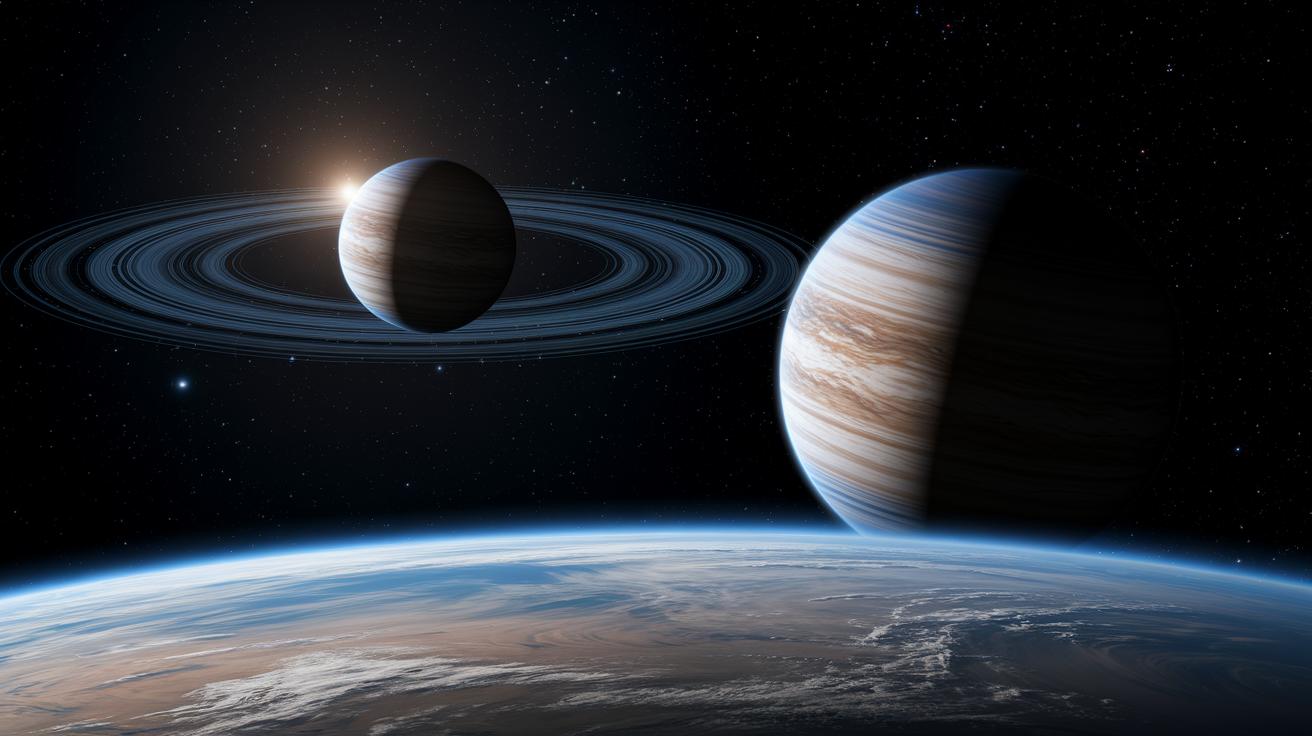
When we look up at the cosmic clock, we see each planet gracefully following its orbit and leaving little traces of energy in its wake. Sometimes, faster-moving planets pass by slower ones, gently sharing their vibes and sparking moments of change in our lives and the world around us. These repeated signals act like breadcrumbs, guiding us as we navigate our daily energies.
Below are some transit patterns we often check out:
- Conjunction
- Opposition
- Square
- Trine
- Sextile
Each of these patterns is like a cosmic clue. A conjunction, for instance, feels like a fresh start when two planetary energies join together. Opposition, on the other hand, shows us when opposing forces are at work. Squares tend to stir up a bit of tension that pushes us to act, while trines and sextiles bring along a smoother, more supportive flow. By tuning in to these signals, we’re able to read the gentle shifts in energy around us, guiding us with a sense of confidence every day.
Lunar Cycles to Retrograde Movements: Core Cosmic Timings in Predictions
The journey from the New Moon to the Full Moon follows a gentle, familiar rhythm. As the moon grows brighter, our energy builds up, and as it fades, everything softens. When a fast planet nears a slower one, its effect ramps up before easing off, kind of like stirring a pot of water where the energy swirls together and then slowly settles.
On top of that, retrograde periods blend naturally with these celestial dances. When Mercury goes retrograde, meaning it appears to move backward, it nudges us to pause and take a breath. It’s a bit like that unexpected pause in your favorite song, a short, reflective break that reminds us to check if we're in sync with our inner beat.
Earlier, we explored how energies rise and fall in a steady cycle. Now, seeing planets reverse their pace adds a special twist to our cosmic journey, helping to fine-tune our timing with the universe.
Significance of Major Planetary Milestones in Astrological Predictions

Saturn returns, in both their first and second cycles, point to big shifts in our lives. They mark times when we pick up new responsibilities and grow into a wiser version of ourselves. Often, these moments nudge us toward fresh career choices or change how we manage our daily routines. It might feel a bit daunting, but it’s all part of stepping into a new phase of self-awareness.
Looking back, history shows us how these cosmic events can really leave a mark. For example, during a rare Saturn and Pluto alignment, financial markets got a serious shake-up. Gold, which once hovered around $35 an ounce, shot up to nearly $2,000 in 2020. This wild change reminds us that the movements of the planets can sometimes mirror very real shifts in our world.
Then there’s Jupiter, which brings its own kind of magic. When Jupiter is in transit, it feels like the universe is opening doors to growth and opportunity. It hints at times when our fortunes might change and when new ventures could bloom. It’s like receiving a friendly push to see and seize new possibilities.
Understanding these celestial rhythms can really enrich our view of our birth charts and everyday lives. With both historical examples and real-world ups and downs in mind, each planetary cycle offers a clear window into our personal and shared journeys. Every cycle tells a part of the story of how our lives, and even our economy, unfold before our eyes.
Integrating Planetary Cycles into Natal Chart Analysis and Horoscope Breakdowns
Planetary cycles help you see the big picture of your birth chart. When you view each transit as part of a larger cycle, it’s like noticing when the universe gently nudges your energy. This idea works well with daily horoscopes, showing you moments of growth and times to slow down and reflect.
When you look at these cycles, think of every transit as a little hint from the cosmos. For example, Moon Node transits might nudge you toward a new direction, almost like a quiet voice guiding you onto a path that feels right. And when you see Jupiter and Saturn getting close, it might hint at broader changes, sometimes echoing shifts in your own life.
A handy way to use these insights is by matching the cycle data to the houses in your birth chart. Every house covers a special part of your life, so linking planetary movements to these areas makes the reading feel personal and clear. Imagine it as setting a cosmic clock, marking when your energy builds up or eases off.
For your daily horoscope, try pairing key transit moments with your chart positions. This simple trick can show you how these cosmic cycles affect your everyday choices and help you plan for changes ahead.
Final Words
In the action, the post explored how planetary motions shape our cosmic forecasts. It broke down orbital rhythms, transit patterns, and lunar phases to explain our daily shifts. The piece also touched on major milestones like Saturn returns and the influence of Jupiter transits in creating tangible effects on life. By connecting these insights to natal charts and daily horoscopes, the article offers a grounded perspective on the significance of planetary cycles in astrological predictions. Keep your heart open and watch the stars light up your path.
FAQ
FAQ
Q: What is the planetary cycle in astrology?
A: The planetary cycle in astrology explains repeating orbital patterns. These cycles show how a planet moves through zodiac signs, affecting the timing of energy shifts and personal insights in astrological readings.
Q: How do planetary positions affect us in astrology?
A: The planetary positions in astrology shape our readings by creating specific angles and patterns. These placements guide interpretations of events and moods based on each planet’s influence within a chart.
Q: What is the astrological significance of planetary alignment?
A: The astrological significance of planetary alignment lies in how multiple planets line up. This alignment can intensify energy flow and mark important moments that influence both personal and collective experiences.
Q: What is the significance of planet degrees in astrology?
A: The significance of planet degrees in astrology comes from their precise placement in the zodiac. Each degree signals specific traits and timing factors, helping refine astrological predictions and chart interpretations.
Q: How do Mars, Jupiter, and Venus cycles shape astrological readings?
A: Mars, Jupiter, and Venus cycles shape astrological readings by marking periods of action, expansion, and affection. Their recurring phases help signal times for increased energy, growth, or shifts in personal dynamics.
Q: What do applying and separating aspects mean in natal chart and synastry?
A: Applying aspects occur when planetary angles are coming into alignment, while separating aspects happen as they move apart. These dynamics guide timing and impact in both individual charts and relationship analyses.
Q: What is Astro Seek?
A: Astro Seek is an online resource offering astrological tools. It provides charts, transit data, and cycle interpretations, making it easier for enthusiasts to explore and understand their astrological makeup.