
Have you ever felt like the stars are whispering secrets about hidden tensions in your life? Your cosmic chart may shine with beauty, but sometimes a few planetary angles stir up unexpected challenges. These moments, like squares (when two planets form a 90-degree angle that stirs up tension) and oppositions (when planets face each other and create a push-pull feel), hint at where your inner curiosity meets life's hurdles. Today, let’s chat about how these cosmic cues invite you to turn friction into a chance for growth. Let’s explore the secrets of your chart and see if we can find a little more harmony in its dance.
Defining Key Challenging Planetary Aspects in Astrology
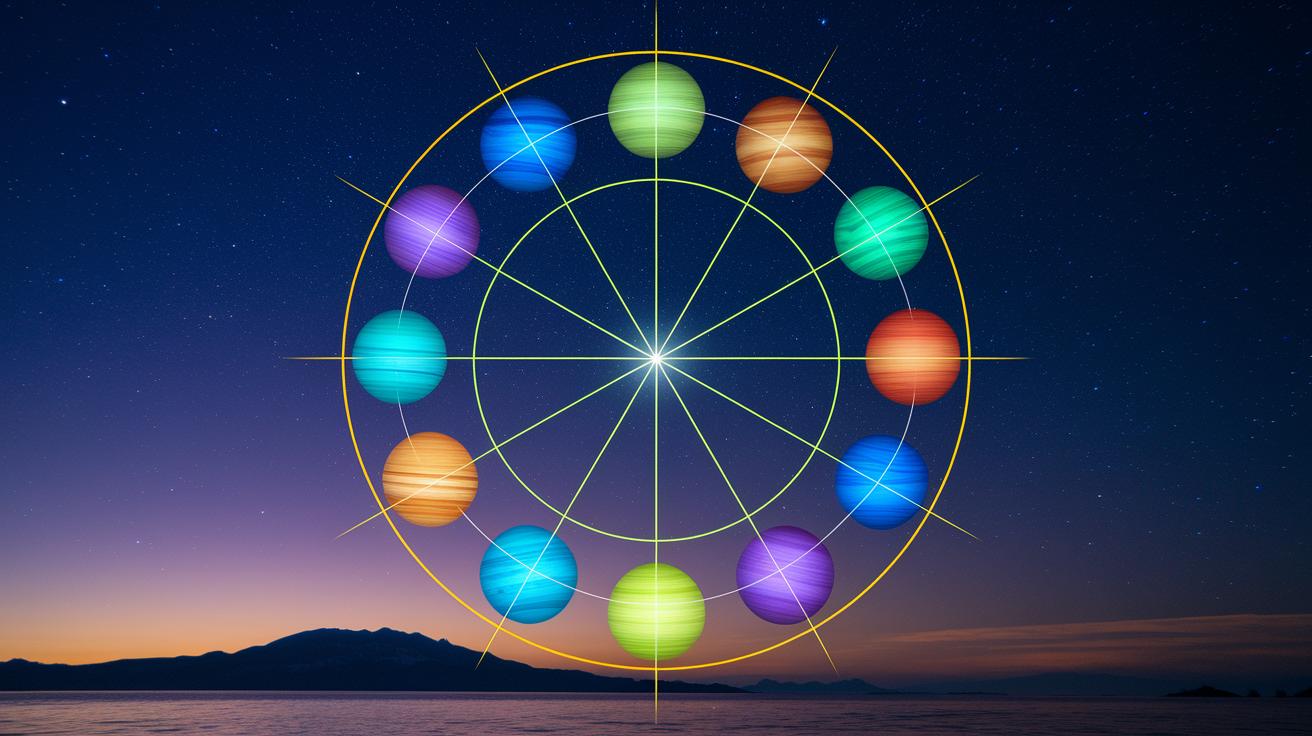
When we chat about aspects, think of them as special angles connecting planets on a starry canvas. Imagine your birth chart as a backdrop of twinkling lights where colorful lines tie planets together, almost like whispers between old friends. For example, a soft pink line might show two planets hanging out closely, while other shades tell different stories of cosmic conversation.
Each of these celestial links comes with an orb, which is just a friendly wiggle room in degrees that shows how exact the angle is. An exact aspect is 0 degrees, but most astrologers give a leeway of plus or minus 9 degrees to keep up with the natural dance of the cosmos. Ptolemy, a wise old guide in astrology, identified five major aspects: conjunctions, oppositions, squares, trines, and sextiles. Squares, with a 90-degree angle, and oppositions, at 180 degrees, often stir up energy that can feel challenging, hinting at inner strains or conflicts in your life.
These tougher aspects push us to learn and grow by showing us where tension might be turned into a chance for change. They invite us to gently question how each planetary pairing touches our daily lives. Ever noticed how a little struggle can inspire a breakthrough? For those curious to explore these cosmic clues further, check out this guide on interpreting planetary influences in your birth chart: interpreting planetary influences in your birth chart.
Challenging Planetary Aspects: Comparing Squares and Oppositions
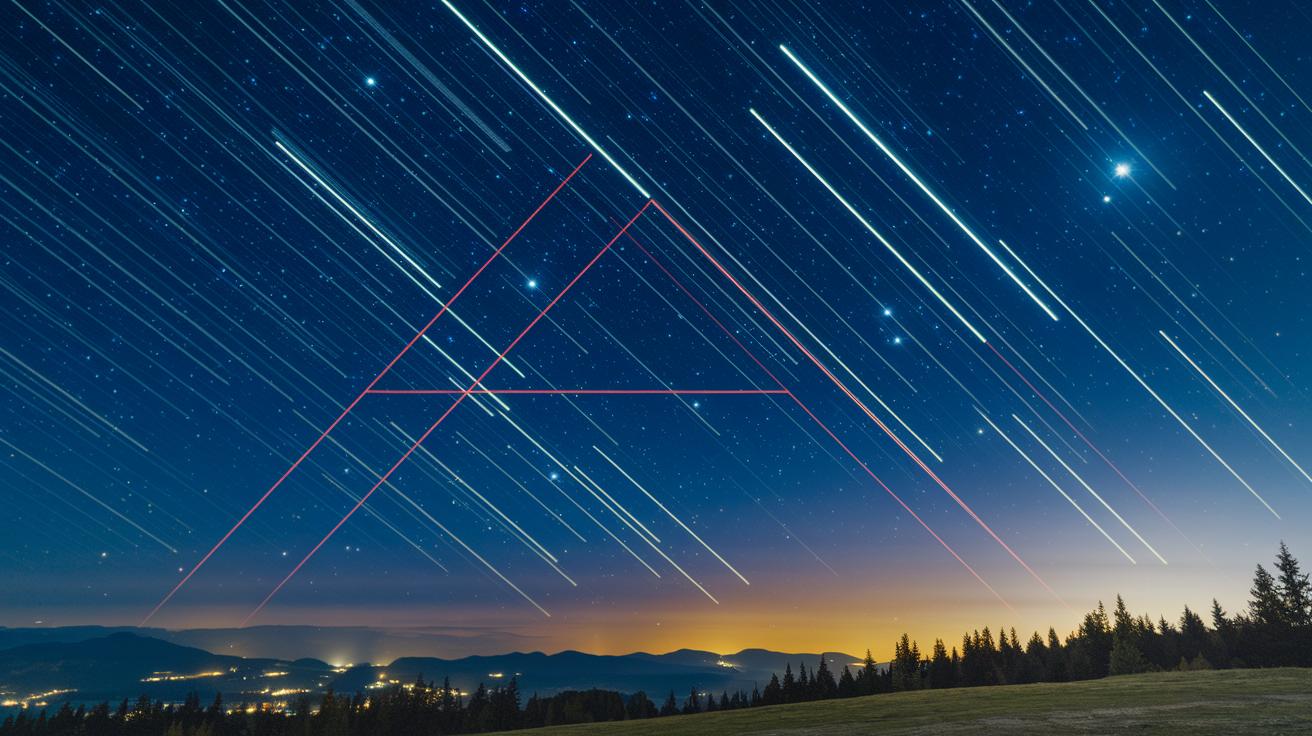
In our cosmic dance, squares and oppositions bring tension to your natal chart. Think of squares as little cosmic roadblocks, they form neat 90-degree angles (often shown in red) that hint at inner conflicts nudging you to change. On the flip side, oppositions mark 180-degree angles (also in red) and point to external forces gently pushing you to restore balance.
| Aspect | Exact Angle | Orb Range | Typical Tension |
|---|---|---|---|
| Square | 90º | ±9º | Internal conflict and friction |
| Opposition | 180º | ±9º | External tension and balancing acts |
When you explore your chart, you might notice a square lighting up when your inner drives clash, urging you to rethink your personal goals. But oppositions often reveal moments where you’re constantly balancing conflicting desires, as if trying to find harmony in a tug-of-war of energies. Recognizing these celestial signals can feel like piecing together a starlit puzzle, helping you understand recurring themes in your life and guiding you toward inner peace and balanced relationships.
Interpreting Challenging Planetary Aspects in Your Natal Chart
When you begin to notice squares and oppositions in your natal chart, it's like catching a glimpse of the cosmic signals that hint at challenges both inside and out. Squares, drawn at 90 degrees, gently flag internal frictions that nudge you toward growth. Meanwhile, oppositions, marked at 180 degrees, point to external influences urging you to find a balance between clashing energies. These indicators invite you to pause and ask, "Is there a part of my life ready for change?"
To delve a little deeper, it's key to see the difference between applying and separating aspects. An applying aspect is when a planet moves closer to that perfect angle, building up energy and intensity, almost like a gathering storm ready to burst. By contrast, a separating aspect occurs when the planet has passed its focal point, letting the tension slowly ebb away. Knowing which is happening can help you sense whether your inner energy is simmering to a boil or gently cooling off.
Real-life examples bring these ideas home. Picture Mars squaring Jupiter, a cosmic conversation that might show a tug-of-war between your ambitions and the need for personal growth. Or consider Mercury opposing Chiron, illustrating a delicate dance between speaking clearly and healing old wounds. Even Mercury squaring your North Node can signal a struggle between your personal values and the expectations of those around you. The specific zodiac signs and house placements add even more color to these encounters, guiding you like starlight through a night of discovery.
Applying vs. Separating Hard Aspects
Think of applying aspects as those moments when the cosmos turns up the volume, planets getting closer to that exact angle, and the energy intensifies. Separating aspects, however, are like the universe taking a deep breath, stepping back and easing away from that point of high tension. Noticing which cosmic dance is happening can help you gently time your next move, making space for either reflection or action.
Mitigating Effects of Challenging Planetary Aspects in Astrology

When you come across tough planetary alignments, try seeing them as steps rather than barriers. Instead of labeling these red lines as problems, think of them as hints that new growth is on the horizon. The idea of turning squares into stairs and oppositions into opportunities invites you to view obstacles as hidden chances waiting to be explored. It can feel like the stars are gently nudging you toward fresh, creative evolution.
One way to work with these energies is by noticing orb sensitivity, which means observing how close two planets come to forming a specific angle. Another useful method is transit timing, basically checking when planets hit key spots in your natal chart (a snapshot of the sky at your birth) to spot supportive energy. And sometimes, jotting down your thoughts in a journal after big cosmic moments can show you patterns and help turn tension into creative fuel.
If these ideas spark something in you, consider reaching out to advanced astrology resources or a trusted astrologer for more guidance. For a deeper journey into self-discovery, explore comprehensive tools or try a personalized reading. Sometimes talking through your chart with an expert can truly soften those challenging aspects, turning cosmic friction into new energy and clearer choices. It’s all about deepening your cosmic understanding and finding that lasting inner balance.
Advanced Analysis of Challenging Planetary Configurations in Astrology
Ptolemy's ideas help us see how planets talk to each other. His work lays out five main ways that planets connect, forming the base of a chart. Then, as you dig deeper, you find even more subtle ties like smaller aspects and midpoints (the place where two energies meet). Using careful orb checks, which are tiny degree ranges near an exact angle, astrologers get a clearer picture of where these forces overlap. This method shows both the big tensions and the softer hints from minor alignments that shape your chart. By noticing every link, from bold aspects to gentle midpoints, you get a richer story of how the celestial dance plays out.
When things get more detailed, new techniques help us unwrap these cosmic puzzles. Analyzing midpoints shows exactly where energies blend. And by comparing today's planet moves with your birth chart, you can spot times that might feel more charged or soothing. Additionally, tracking long-term cycles of the planets helps us guess when several energies will interact, giving you a peek at major shifts ahead. These refined methods, focusing on careful orb moves and key alignments, empower you to catch those special moments of change while deepening your understanding of your unique cosmic journey.
Final Words
In the action, we explored the magic behind colored lines showing planetary angles and how squares and oppositions heat up your chart. We unpacked orbs, compared major aspects, and spotlighted ways to ease tensions. Understanding challenging planetary aspects in astrology helps you see these cosmic signals as keys to your growth. Each detail we discussed offers a gentle nudge toward clearer self-awareness and informed choices. Embrace these insights, and let them guide you toward a brighter, more balanced life.
FAQ
What does a challenging aspect in astrology mean?
The challenging aspect in astrology means planets form angles like squares (90°) or oppositions (180°), which create friction. This friction encourages growth by prompting you to adjust and balance differing energies in your chart.
How do planetary aspects work in Vedic astrology?
In Vedic astrology, planetary aspects show how planets “look” at each other by forming specific angles. These interactions follow unique rules that offer an alternative view of celestial influences in your life.
How can I read aspects in astrology?
Reading aspects in astrology involves checking the colored lines on your chart, which represent planetary angles. Using an orb—a small degree range—helps you gauge the strength and influence of each interaction.
What is an astrology aspects cheat sheet?
An astrology aspects cheat sheet is a handy reference that lists common angles, orb ranges, and basic meanings. It quickly guides you in identifying and interpreting the dynamic interactions in your chart.
How can I use an astrological aspects calculator?
An astrological aspects calculator measures angles between planets in your chart. It checks if these angles fall within accepted orb limits, making it easier to spot significant interactions for your analysis.
What are some pointers on finding the most powerful aspects in a natal chart?
The most powerful aspects in a natal chart are usually tight squares or oppositions. They carry strong energy that can highlight important life themes, prompting significant shifts and deeper personal growth.
What is considered the rarest conjunction or sign in astrology?
A rare conjunction or sign in astrology refers to unusual planetary alignments or infrequent zodiac placements. These uncommon patterns can offer unique insights and add an extra layer of mystery to a birth chart.